Korea's First ENT Specialty Hospital — Ministry-Designated Excellence in Seoul
4.9 Patient Satisfaction
en-US


· Needs Clinic Confirmation
Thyroid Cancer
Thyroid cancer arises from the cells of the thyroid gland — the butterfly-shaped endocrine structure at the front of the neck responsible for producing hormones that regulate metabolism and numerous physiological functions.
Schedule a ConsultationWhat Is Thyroid Cancer? Understanding Diagnosis, Types, and Treatment
Thyroid cancer arises from the cells of the thyroid gland — the butterfly-shaped endocrine structure at the front of the neck responsible for producing hormones that regulate metabolism and numerous physiological functions. It is one of the most common endocrine malignancies globally and, in the majority of cases, is also one of the more treatable cancers — particularly when diagnosed at an early stage and managed by a specialist with dedicated head and neck oncological surgical expertise.
Thyroid cancer encompasses several distinct types, each with a different biological behavior, prognosis, and treatment approach. Papillary thyroid carcinoma is by far the most common, accounting for the large majority of cases — it grows slowly, has a strong tendency to spread to cervical lymph nodes, and generally carries an excellent long-term prognosis with appropriate surgical management. Follicular thyroid carcinoma is the second most common type, with a tendency toward vascular invasion and distant spread. Medullary thyroid carcinoma arises from calcitonin-producing cells and may be associated with hereditary syndromes. Anaplastic thyroid carcinoma is rare but aggressive, requiring urgent multidisciplinary management.
At HANA ENT Hospital, thyroid cancer is assessed and managed by the Head and Neck Center — led by a surgeon whose career included directorship of the Head and Neck Center at Seoul Asan Medical Center — providing oncological surgical expertise at the level of Korea's leading cancer institutions.
Who Needs Thyroid Cancer Assessment?
Urgent specialist evaluation is recommended whenever thyroid cancer is confirmed or suspected. Seek assessment if:
- Fine needle aspiration of a thyroid nodule has returned a malignant or suspicious result
- A thyroid nodule has ultrasound characteristics associated with high malignancy risk
- You have been referred following incidental detection of a thyroid mass on CT or MRI imaging
- Hoarseness has developed alongside a thyroid swelling — suggesting recurrent laryngeal nerve involvement
- Neck lymph node enlargement is present alongside a thyroid nodule
- You have a family history of thyroid cancer or medullary thyroid carcinoma
- A rising calcitonin level has been identified — suggesting possible medullary thyroid carcinoma
- You have an existing thyroid cancer diagnosis and are seeking specialist surgical evaluation
- Any patient with a confirmed thyroid cancer diagnosis who has not yet had a specialist surgical consultation
[Schedule Your Thyroid Cancer Evaluation Today]
Meet the Thyroid Cancer and Head & Neck Specialists at HANA ENT Hospital
 |
 |
 |
|---|---|---|
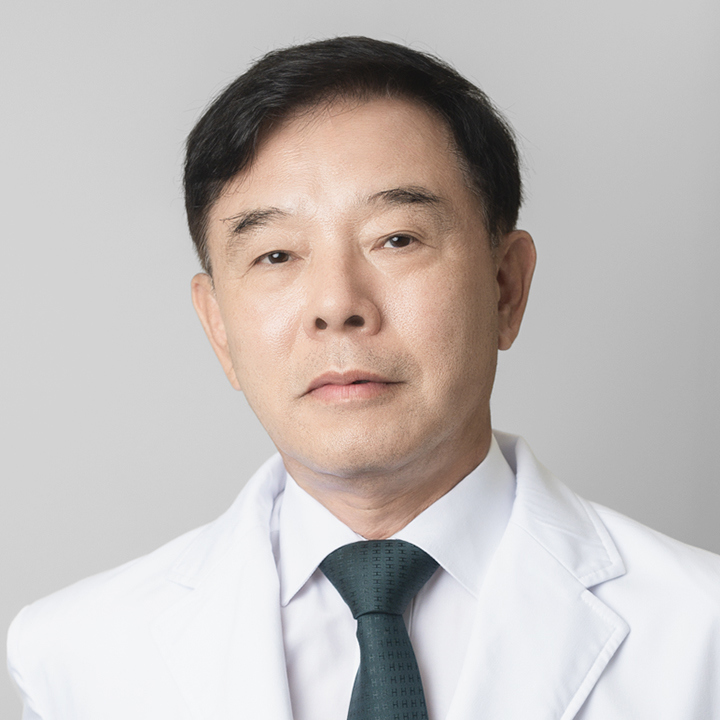
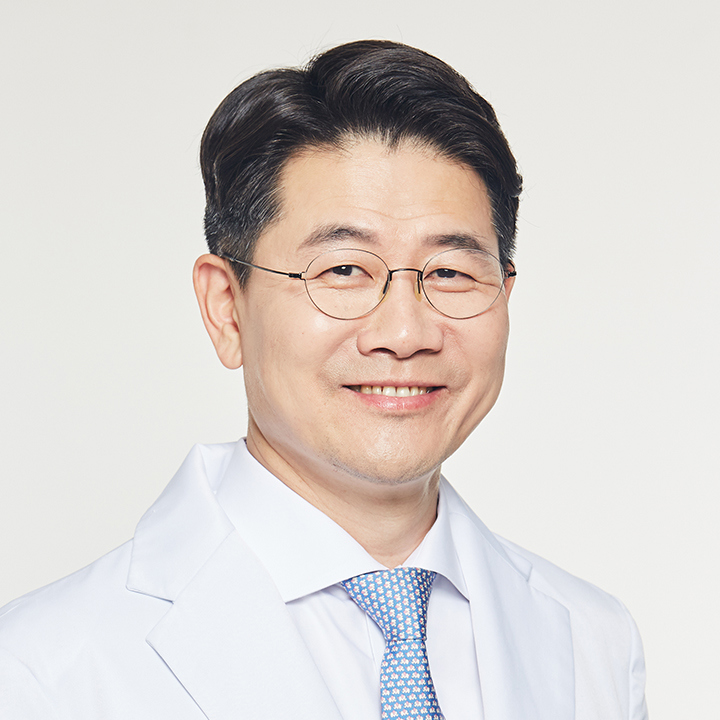
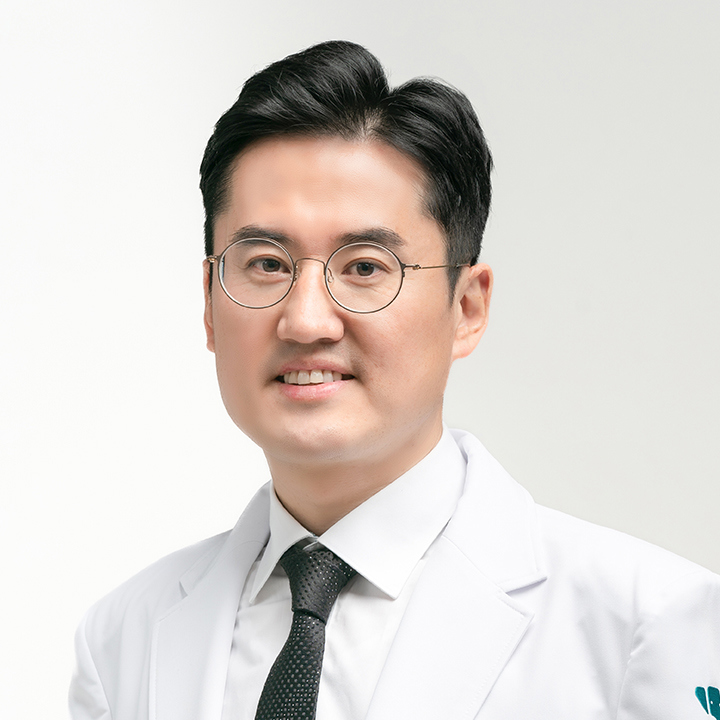
| Dr. Soon Yuhl Nam M.D., Ph.D. | Dr. Hyung Ro Chu Director | Dr. Kyu Sun Jang Senior Physician |
- Dr. Soon Yuhl Nam — Director, Head and Neck Center M.D. & Ph.D., Kyungpook National University · Researcher, Vanderbilt University School of Medicine, USA · Former Professor & Head, Dept. of Otorhinolaryngology, Ulsan University of Medicine · Former Director, Head and Neck Center, Seoul Asan Medical Center. Dr. Soon Yuhl Nam leads HANA ENT Hospital's Head and Neck Center with a career built at the highest levels of Korean academic head and neck oncology. His former directorship of the Head and Neck Center at Seoul Asan Medical Center — one of Korea's largest and most respected cancer institutions — combined with research training at Vanderbilt University School of Medicine, positions him as one of Korea's most experienced head and neck oncological surgeons. Thyroid cancer surgery demands precise technique — the recurrent laryngeal nerves controlling vocal cord movement and the parathyroid glands regulating calcium both lie in direct proximity to the thyroid and must be meticulously identified and preserved during resection. Dr. Nam's career-long experience in head and neck oncological surgery at Asan Medical Center provides the specialist precision that safe, effective thyroid cancer surgery requires. His expertise spans the full spectrum of thyroid malignancy — from low-risk papillary carcinoma to advanced disease requiring total thyroidectomy with neck dissection.
- Dr. Hyung Ro Chu — Director, Throat & Voice / Sleep Center Research Instructor, Head and Neck Surgery, UCSD, USA · Professor, Hallym University College of Medicine · Lecturer, Korea University College of Medicine. UCSD-trained head and neck surgical expertise supporting laryngeal and voice function assessment in thyroid cancer patients.
- Dr. Kyu Sun Jang — ENT Specialist Intern & Resident, Samsung Seoul Hospital · Visiting Physician, University of Iowa, USA · Former Chief, Dept. of Otolaryngology, Joeun Geumgang Hospital. Broad ENT clinical experience supporting head and neck and thyroid assessment.
Shared philosophy: precise staging through imaging and cytological assessment; individualized surgical planning based on cancer type, stage, and patient profile; honest and complete communication throughout.
Thyroid Cancer Types and Treatment Approach
- Papillary thyroid carcinoma — The most common thyroid cancer, papillary carcinoma generally carries an excellent prognosis when managed with appropriate surgery. Low-risk papillary carcinomas — small, confined tumors without extrathyroidal extension or lymph node involvement — may be managed with thyroid lobectomy, avoiding the need for total thyroidectomy and its associated risks. Higher-risk papillary carcinomas — larger tumors, those with extrathyroidal extension, or those with confirmed lymph node metastases — require total thyroidectomy with central and/or lateral neck dissection, followed by post-surgical radioactive iodine therapy where indicated. Individual staging and treatment planning are discussed in full with every patient before surgery.
- Follicular thyroid carcinoma — Follicular carcinoma cannot be reliably distinguished from benign follicular adenoma on fine needle aspiration cytology alone — definitive diagnosis requires surgical excision and histological assessment of the resected specimen. Minimally invasive follicular carcinoma — confined within the tumor capsule — carries an excellent prognosis; widely invasive follicular carcinoma with vascular invasion requires more extensive surgical management and closer post-surgical surveillance. Treatment is individualized based on histological findings and invasion status identified at surgery.
- Medullary thyroid carcinoma — Medullary thyroid carcinoma arises from parafollicular C-cells and is identified by elevated serum calcitonin. It may occur sporadically or in the context of hereditary syndromes — including multiple endocrine neoplasia (MEN2). Total thyroidectomy with systematic neck dissection is the surgical standard for medullary thyroid carcinoma; extent of neck dissection is guided by preoperative calcitonin level and imaging findings. Genetic counseling is recommended for patients with confirmed or suspected hereditary medullary thyroid carcinoma.
- Advanced and recurrent thyroid cancer — Advanced thyroid cancers — those with significant extrathyroidal extension, extensive lymph node involvement, or distant metastases — require multidisciplinary treatment planning integrating surgical resection, radioactive iodine therapy, targeted systemic therapies, and in some cases radiation. Recurrent thyroid cancer following prior surgery presents additional surgical complexity. At HANA ENT Hospital, advanced and recurrent thyroid cancer cases are managed by Dr. Soon Yuhl Nam, whose Asan Medical Center career provided extensive experience in complex re-operative and advanced thyroid oncological surgery.
Thyroid Cancer Diagnosis and Treatment Process
1. Diagnostic Assessment and Staging: Thyroid ultrasound characterizes the primary tumor; CT and/or MRI assesses lymph node status, extrathyroidal extension, and distant disease. PET imaging arranged where distant metastatic assessment is required. Serum calcitonin measured where medullary carcinoma is suspected.
2. Fine Needle Aspiration Confirmation: Where not already performed, fine needle aspiration cytology confirms malignancy and tumor type — the essential foundation for surgical planning. Molecular testing of cytological specimens may be incorporated where additional risk stratification is needed.
3. Surgical Planning: Individualized surgical plan based on cancer type, tumor size, extrathyroidal extension, lymph node status, and patient factors. Extent of thyroid resection and neck dissection determined before surgery. Voice function and calcium regulation risks discussed explicitly in the pre-operative consultation.
4. Surgery — Thyroid Cancer Resection:
- Thyroid lobectomy — for selected low-risk papillary carcinoma confined to one lobe
- Total thyroidectomy — for higher-risk or bilateral thyroid cancer; performed with meticulous recurrent laryngeal nerve identification and parathyroid preservation
- Central neck dissection — routine or therapeutic removal of central compartment lymph nodes based on cancer type and risk
- Lateral neck dissection — for confirmed lateral lymph node metastases on pre-operative imaging
5. Post-Surgical Oncological Coordination: Radioactive iodine (RAI) therapy coordinated where pathological findings indicate — guided by cancer type, stage, and resection margin status. Thyroid hormone suppression therapy initiated and managed in collaboration with endocrinology. Stimulated thyroglobulin monitoring and surveillance imaging scheduled at appropriate intervals.
6. Long-Term Surveillance: Structured post-treatment surveillance with thyroglobulin measurement, neck ultrasound, and clinical examination at defined intervals. Recurrence assessment and management coordinated within the same specialist system.
Thyroid Cancer Surgery Results, Safety, and Realistic Expectations
Thyroid cancer — particularly papillary and follicular carcinoma — is among the more favorable malignancies in terms of long-term outcomes. The majority of patients with well-differentiated thyroid cancer managed with appropriate surgery achieve excellent disease control, and many are effectively cured with surgical treatment alone or in combination with radioactive iodine. Outcomes for medullary thyroid carcinoma depend on preoperative calcitonin levels, extent of neck disease, and completeness of surgical clearance. Anaplastic thyroid carcinoma carries a significantly more guarded prognosis and requires urgent multidisciplinary management.
Thyroid cancer surgery carries specific anatomical risks that require specialist precision to manage. Recurrent laryngeal nerve injury — which can cause vocal cord paresis and voice change — and hypoparathyroidism — resulting from inadvertent parathyroid gland damage causing low calcium — are the most significant procedure-specific risks. At HANA ENT Hospital, thyroid cancer surgery is performed by Dr. Soon Yuhl Nam, whose career at Seoul Asan Medical Center included extensive high-volume thyroid oncological surgery — providing the specialist depth essential for minimizing these risks while achieving complete oncological resection.
All risks, realistic outcome expectations, and post-surgical management requirements are discussed thoroughly during the pre-operative consultation — ensuring every patient makes a fully informed decision before surgery.
Why Choose HANA ENT Hospital for Thyroid Cancer Treatment?
HANA ENT Hospital is Korea's first and Seoul's only ENT specialist hospital officially designated by the Ministry of Health and Welfare — with independently verified, consecutively renewed standards in surgical care and patient safety since 1995. For thyroid cancer specifically, the Head and Neck Center is led by Dr. Soon Yuhl Nam — former Director of the Head and Neck Center at Seoul Asan Medical Center and Vanderbilt-trained researcher — bringing the oncological surgical expertise of Korea's leading cancer center to every thyroid cancer case within a dedicated specialist ENT hospital environment.
The one-stop clinical system enables ultrasound, fine needle aspiration, staging imaging, and surgical planning to be completed within a single coordinated visit — avoiding the multi-week delays that typically accompany thyroid cancer investigation and surgical referral elsewhere. With a dedicated Head and Neck Center and over 77,800 surgical patients, HANA ENT Hospital delivers the precision, depth, and institutional experience that thyroid cancer surgery demands.
Key reasons to choose HANA ENT Hospital for thyroid cancer treatment:
- Former Director, Head and Neck Center, Seoul Asan Medical Center — Asan Medical Center-level thyroid oncological surgical expertise within a dedicated ENT specialist hospital
- Seoul's only Ministry-designated ENT specialist hospital — accredited head and neck oncological care standards, renewed consecutively since 1995
- One-stop assessment and surgical planning — ultrasound, fine needle aspiration, staging imaging, and surgical consultation within a single coordinated visit
- Full-spectrum thyroid cancer management — from low-risk lobectomy to total thyroidectomy with neck dissection and post-surgical oncological coordination
Patient Experiences: Thyroid Cancer Treatment at HANA ENT Hospital
Papillary Thyroid Cancer Patient, 40s
A patient in their early 40s was referred following fine needle aspiration confirming papillary thyroid carcinoma in a 2.5cm nodule. CT imaging confirmed no extrathyroidal extension and no lymph node involvement. Total thyroidectomy was performed by Dr. Soon Yuhl Nam with central neck dissection. Post-operative histology confirmed clear surgical margins. Voice function and calcium levels remained normal at post-operative review. The patient was enrolled in structured surveillance with thyroglobulin monitoring.
Medullary Thyroid Carcinoma Patient, 50s
A patient in their mid-50s was investigated for an elevated calcitonin level identified during a routine blood panel. Neck ultrasound and CT confirmed a thyroid mass with central lymph node involvement. Total thyroidectomy with systematic central and lateral neck dissection was performed. Post-operative calcitonin normalized and the patient was enrolled in long-term surveillance and referred for genetic counseling given the possibility of hereditary disease.
A Thyroid Cancer Diagnosis Requires Expert Specialist Surgical Care
Thyroid cancer is treatable — but outcomes depend on the expertise of the surgeon performing the resection and the completeness of oncological management. At HANA ENT Hospital — The First ENT Specialty Hospital in Korea, The Only ENT Specialty Hospital in Seoul — Dr. Soon Yuhl Nam and the Head and Neck Center team provide expert thyroid cancer assessment, precise surgical resection, and coordinated post-surgical oncological management.
Book your consultation today. Ultrasound, staging imaging, surgical evaluation, and treatment planning — all within a single coordinated visit.
[Book Your Thyroid Cancer Consultation at HANA ENT Hospital]
For appointment scheduling and international patient inquiries, contact our patient services desk directly.
Other Services
Explore additional treatments offered by our specialists.

Voice Disorders
The human voice is produced by the precise vibration of the vocal cords — two small but remarkably complex structures housed within the larynx.
Learn More

Respiratory Conditions
Respiratory conditions encompass a broad range of diseases affecting the lungs, bronchi, and airways.
Learn More

Cognitive Decline & Early Dementia
Cognitive decline refers to measurable reduction in memory, attention, language, executive function, or visuospatial ability.
Learn More