Korea's First ENT Specialty Hospital — Ministry-Designated Excellence in Seoul
4.9 Patient Satisfaction
en-US


· Needs Clinic Confirmation
Cognitive Decline & Early Dementia
Cognitive decline refers to measurable reduction in memory, attention, language, executive function, or visuospatial ability.
Schedule a ConsultationWhat Is Cognitive Decline? Understanding Memory Changes and When Assessment Matters
Cognitive decline refers to measurable reduction in memory, attention, language, executive function, or visuospatial ability — representing a change from a person's previous level of functioning. Cognitive changes exist on a spectrum: from the subtle memory slips of normal aging, through mild cognitive impairment (MCI) — a recognized clinical state between normal aging and dementia — to early dementia, where cognitive decline meaningfully affects daily independence.
The distinction between normal aging and pathological decline is not reliably made by self-assessment alone. Normal aging may bring some processing slowdown and occasional word-finding difficulty. Pathological decline is different: progressive rather than stable, affecting multiple cognitive domains, and interfering with daily function in ways aging alone does not explain.
Early assessment matters — because the window for addressing modifiable risk factors, potentially slowing progression, and establishing support systems is widest early in the disease course. Mild cognitive impairment, in particular, represents an important intervention point. At HANA ENT Hospital, cognitive assessment is provided by a dedicated neurologist with Asan Medical Center specialist training — within an integrated Neurology department also managing sleep disorders, stroke, and dizziness.
Who Needs Cognitive Assessment?
Seek evaluation if you or a family member notices:
- Repeatedly forgetting recent events, conversations, or appointments beyond occasional forgetfulness
- Difficulty finding words more frequently than before
- Confusion in familiar situations or difficulty following familiar routines
- Frequently misplacing items and being unable to retrace steps
- Difficulty planning, organizing, or completing multi-step tasks previously manageable
- Personality or mood changes — increased anxiety, withdrawal, or apathy — without clear explanation
- Family members expressing concern about observed memory or behavioral changes
- Patients in their 60s–80s with progressive cognitive change over months or years
- Known stroke, cardiovascular disease, diabetes, or OSA — recognized risk factors for vascular cognitive impairment
- Anyone due for follow-up monitoring of a previously identified cognitive condition
[Schedule Your Cognitive Assessment Today]
Meet the Cognitive Decline Specialist at HANA ENT Hospital
 |
|---|
| Dr. Young-ju Noh M.D., Master's & Ph.D. |
Dr. Young-ju Noh — Neurologist, Neurology Department M.D., Seoul National University College of Medicine · Master's & Ph.D., Ulsan University College of Medicine · Resident & Fellow, Dept. of Neurology, Asan Medical Center.
Dr. Noh is HANA ENT Hospital's dedicated neurologist and primary specialist for cognitive decline and early dementia assessment. Her M.D. from Seoul National University — Korea's most prestigious medical institution — combined with doctoral training at Ulsan University and her residency and fellowship at Asan Medical Center, provide the neurological depth that accurate cognitive assessment requires.
Her clinical expertise spans cognitive impairment, sleep apnea, insomnia, epilepsy, stroke, dizziness, and headache — a breadth particularly valuable in cognitive assessment, where sleep disorders, depression, cerebrovascular disease, and medication effects can all mimic or worsen cognitive decline and must be systematically excluded before a primary neurodegenerative diagnosis is established.
Cognitive Decline Conditions and Treatment Areas
- Distinguishing normal aging from mild cognitive impairment — Standardized cognitive screening and neuropsychological assessment — administered and interpreted by a trained neurologist — provide objective data on performance across memory, language, attention, and executive function. This objective assessment accurately distinguishes normal aging from MCI, forming the foundation of clinical classification and appropriate management. Patients identified with MCI are enrolled in structured monitoring to track cognitive trajectory over time, with modifiable risk factors addressed proactively.
- Early Alzheimer's disease — Alzheimer's disease is the most common cause of dementia — progressive memory loss alongside decline in other cognitive domains. Early identification provides the longest window for intervention, planning, and support. Clinical assessment combined with cognitive screening, blood tests, and brain imaging review forms the diagnostic framework. Management includes cholinesterase inhibitor medication where appropriate, alongside risk factor optimization and structured monitoring. Individual response to treatment varies; honest, realistic communication about prognosis is central to every consultation.
- Vascular cognitive impairment — The second most common cause of dementia — driven by cerebrovascular disease, small vessel disease, or cumulative stroke — and closely linked to hypertension, diabetes, atrial fibrillation, and dyslipidemia. Unlike Alzheimer's disease, vascular cognitive impairment is substantially modifiable: aggressive vascular risk factor control can slow or stabilize decline in many patients. At HANA ENT Hospital, vascular cognitive impairment is assessed within the full cerebrovascular context — with secondary prevention measures integrated into cognitive management. OSA — a recognized contributor to vascular cognitive impairment — is assessed concurrently within the integrated Sleep Center.
- Cognitive decline secondary to treatable conditions — Depression, thyroid dysfunction, vitamin B12 deficiency, medication effects, and untreated OSA can all produce cognitive symptoms closely mimicking primary neurodegenerative disease — but responding meaningfully to treatment of the underlying cause. Systematic screening for reversible causes is performed before a primary neurodegenerative diagnosis is established. OSA treatment with CPAP, in particular, can produce measurable cognitive improvement in patients where sleep-disordered breathing has been a significant contributor to cognitive symptoms.
Cognitive Assessment and Management Process
1. Clinical Consultation & Cognitive History: Detailed history covering onset, nature, and progression of cognitive symptoms — ideally with family member input. Medical history, medication review, mood and sleep assessment, vascular risk factor profile.
2. Neurological Examination and Cognitive Screening: Clinical neurological examination. Standardized cognitive screening across memory, attention, language, and executive function — providing objective, quantified cognitive performance data.
3. Blood Tests: Thyroid function, vitamin B12 and folate, glucose, lipid profile — screening for reversible metabolic contributors to cognitive symptoms.
4. Brain Imaging Review: Review of brain CT or MRI — identifying vascular changes, atrophy patterns, or structural abnormalities. Imaging arranged where not already available.
5. Sleep Disorder Screening: OSA and insomnia assessment within the integrated Sleep Center — given the established relationship between sleep disorders and cognitive function.
6. Individualized Management Plan:
- MCI — structured monitoring, risk factor optimization, lifestyle modification, cognitive engagement guidance
- Early Alzheimer's — cholinesterase inhibitor medication where appropriate, monitoring, carer support, advance planning discussion
- Vascular cognitive impairment — aggressive vascular risk factor management, antiplatelet therapy, OSA treatment
- Reversible causes — targeted treatment of identified contributing conditions
7. Long-Term Monitoring: Regular cognitive assessment at defined intervals — tracking trajectory, guiding medication adjustment, ensuring management remains appropriate as the condition evolves.
Cognitive Assessment Results, Safety, and Realistic Expectations
Cognitive assessment is entirely non-invasive — no procedures, no injections, no radiation. For reversible causes of cognitive decline — depression, thyroid dysfunction, B12 deficiency, OSA — treatment can produce meaningful, sometimes significant cognitive improvement. For neurodegenerative conditions, current treatments provide symptomatic benefit and may slow functional decline but do not halt the underlying disease process.
Early assessment and proactive risk factor management remain the most powerful available tools for cognitive health — reinforcing the importance of seeking evaluation when changes are first noticed rather than deferring until functional impact becomes severe. Realistic expectations are communicated honestly at every stage — patients and families deserve clear understanding of diagnosis, prognosis, and what treatment can and cannot achieve.
Why Choose HANA ENT Hospital for Cognitive Decline Assessment?
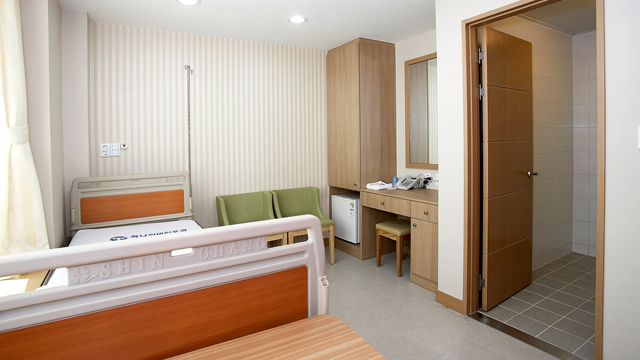
HANA ENT Hospital is Korea's first and Seoul's only ENT specialist hospital officially designated by the Ministry of Health and Welfare — independently verified standards renewed consecutively since 1995. The dedicated Neurology department — led by Dr. Young-ju Noh, trained at Asan Medical Center with academic credentials from Seoul National University and Ulsan University — provides specialist neurological cognitive assessment within an integrated care environment also managing sleep disorders, stroke, and dizziness.
The integration of Neurology, Sleep Center, and Internal Medicine within the same institution is a significant clinical advantage — enabling OSA screening, vascular risk factor management, and cognitive assessment to be delivered within a coordinated single-system approach without multi-clinic referral.
Key reasons to choose HANA ENT Hospital:
- Dedicated neurologist — Asan Medical Center trained — precise cognitive assessment across the spectrum from MCI to early dementia
- Integrated Neurology + Sleep Center — OSA identification and treatment alongside cognitive assessment within the same system
- Comprehensive reversible cause screening — treatable contributors identified before primary diagnosis established
- Seoul's only Ministry-designated ENT specialist hospital — accredited specialist care, renewed consecutively since 1995
Patient Experiences: Cognitive Assessment at HANA ENT Hospital
Mild Cognitive Impairment Patient, 60s
A patient in their mid-60s presented with progressive difficulty remembering recent conversations over 18 months — reported by both patient and spouse. Cognitive screening confirmed mild cognitive impairment across memory and executive function. Blood tests and imaging excluded reversible causes. Sleep assessment identified moderate OSA — initiated on CPAP concurrently. A six-monthly monitoring program was established and the patient and family received clear explanation of the diagnosis, monitoring plan, and lifestyle guidance.
Cognitive Decline Secondary to OSA Patient, 50s
A patient in their early 50s presented with progressive concentration difficulty and mental fatigue attributed to work stress. Cognitive screening identified measurable underperformance in attention and working memory. Sleep assessment confirmed severe OSA. CPAP therapy was initiated and maintained. Follow-up cognitive assessment at six months confirmed meaningful improvement in attention and working memory — consistent with OSA-driven cognitive impairment responding to treatment.
Cognitive Changes Deserve Early Specialist Assessment
Memory changes that are progressive, affecting multiple areas of daily function, or causing concern to family members warrant neurological assessment — not watchful waiting. At HANA ENT Hospital — The First ENT Specialty Hospital in Korea, The Only ENT Specialty Hospital in Seoul — Dr. Young-ju Noh provides expert cognitive assessment and individualized management within an integrated specialist care system.
Book your consultation today. Cognitive screening, neurological assessment, and management planning — all within a single specialist visit.
[Book Your Cognitive Assessment Consultation at HANA ENT Hospital]
For appointment scheduling and international patient inquiries, contact our patient services desk directly.
Other Services
Explore additional treatments offered by our specialists.

Voice Disorders
The human voice is produced by the precise vibration of the vocal cords — two small but remarkably complex structures housed within the larynx.
Learn More

Respiratory Conditions
Respiratory conditions encompass a broad range of diseases affecting the lungs, bronchi, and airways.
Learn More

Cognitive Decline & Early Dementia
Cognitive decline refers to measurable reduction in memory, attention, language, executive function, or visuospatial ability.
Learn More