Korea's First ENT Specialty Hospital — Ministry-Designated Excellence in Seoul
4.9 Patient Satisfaction
en-US


· Needs Clinic Confirmation
Sinusitis
Sinusitis — also called rhinosinusitis or 축농증 in Korean — is an inflammatory condition of the paranasal sinuses, the air-filled cavities surrounding the nasal passages.
Schedule a ConsultationWhat Is Sinusitis? Understanding Acute and Chronic Sinus Disease
Sinusitis — also called rhinosinusitis or 축농증 in Korean — is an inflammatory condition of the paranasal sinuses, the air-filled cavities surrounding the nasal passages. When the sinus lining becomes inflamed and swollen, normal mucus drainage is blocked, creating an environment where bacteria, viruses, or fungi can thrive. The result is facial pressure, nasal congestion, discolored nasal discharge, and in chronic cases, a persistent cycle of infection and inflammation that significantly affects daily life.
Sinusitis is classified by duration and pattern. Acute sinusitis develops within four weeks, most commonly as a complication following a cold or upper respiratory infection. Chronic sinusitis is diagnosed when symptoms persist for three months or longer, and is often driven by frequent recurrence of acute episodes, nasal polyps, structural nasal abnormalities such as a deviated septum, or underlying conditions such as asthma.
At HANA ENT Hospital, the diagnostic approach targets the root cause of sinus disease — not just the symptoms. Using nasal endoscopy and ENT-dedicated CT imaging, the specialist team maps the anatomy of the sinuses and nasal passages in detail, identifying the precise structural and inflammatory factors driving each patient's condition before recommending treatment.
Who Needs Sinusitis Treatment?
Sinusitis treatment is indicated when sinus inflammation is causing meaningful symptoms or recurring frequently enough to affect health and quality of life. You may benefit from a professional evaluation if you experience:
- Facial pressure, pain, or fullness around the cheeks, forehead, or eyes
- Persistent thick or discolored nasal discharge (yellow or green)
- Nasal congestion that does not resolve with standard cold or allergy medication
- Reduced or absent sense of smell
- Post-nasal drip causing chronic throat irritation or cough
- Recurrent acute sinusitis — two or more episodes per year
- Chronic symptoms lasting three months or longer despite medication
- Sinusitis associated with nasal polyps, asthma, or structural nasal abnormalities
[Schedule a Sinus Evaluation Today]
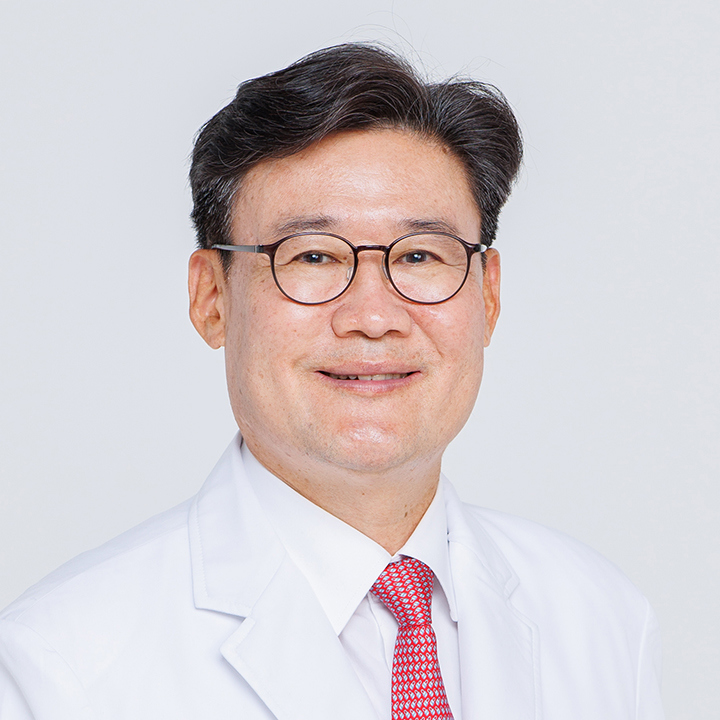
Meet the Sinusitis Specialists at HANA ENT Hospital
 |
 |
 |
|---|---|---|
| Dr. Hun Jong Dhong M.D., Ph.D. | Dr. Sang Duck Lee M.D., Ph.D. | Dr. Do Kwang Jung Adjunct Professor |
 |
 |
 |
| Dr. Tae Hyun Kim Master's in Medicine, M.D. | Dr. Jong In Jeong Master of Medicine | Dr. Byung Kil Kim Bachelor's Degree, Master's Degree |
HANA ENT Hospital's sinus surgery team brings together internationally trained ENT specialists with senior academic and hospital leadership experience at Korea's most respected medical institutions.
- Dr. Hun Jong Dhong — Representative Director M.D. & Ph.D., Seoul National University · Fellow, University of Pennsylvania · Visiting Scholar, Cleveland Clinic · Former Chief & VP of Medical Affairs, Samsung Seoul Hospital · Professor & Head, Dept. of Otorhinolaryngology, Sungkyunkwan University · President, Korean Rhinological Society · Chairman, International Congress of ORL-HNS. One of Korea's leading authorities on endoscopic sinus surgery and nasal disease.
- Dr. Sang Duck Lee — Hospital Director M.D., Korea University · Ph.D., Dokkyo University, Japan · Endoscopic Sinus Surgery Training, University of Graz, Austria · Adjunct Professor, Korea University · Former President, Korean Association of Specialty Hospitals. Specialized in endoscopic sinus surgery, nasal polyps, and chronic sinusitis management.
- Dr. Do Kwang Jung — Director Endoscopic Surgery Training, University of Graz · Adjunct Professor, Korea University & Chung-Ang University · Former Head of ENT, Korea University Ansan Hospital. Specialist in sinusitis, deviated septum, and pediatric ENT.
- Dr. Tae Hyun Kim — Vice Director M.D. & Master's, Kyung Hee University · Clinical Instructor, Kyung Hee University Hospital. Focus: endoscopic sinus surgery, nasal polyps, allergic rhinitis.
- Dr. Jong In Jeong — Medical Director Master of Medicine, Sungkyunkwan University · Trained at Samsung Seoul Hospital & Keimyung University Dongsan Hospital. Specialist in endoscopic sinus surgery and rhinitis.
- Dr. Byung Kil Kim — ENT Specialist B.Med. & M.Sc., Sungkyunkwan University · Clinical Instructor, Samsung Seoul Hospital · Former Clinical Professor, Chilgok Kyungpook National University Hospital. Focus: endoscopic sinus surgery, rhinitis, sleep apnea.
The team's shared approach: identify the root cause of sinus disease through precise diagnostics, treat conservatively where appropriate, and apply surgical correction only when clinically indicated and carefully planned.
Sinusitis Treatment Areas and Expected Improvements
- Paranasal sinuses (maxillary, frontal, ethmoid, sphenoid) — Functional endoscopic sinus surgery directly addresses blockages within the sinus drainage pathways, restoring natural ventilation and mucus clearance across all affected sinus groups. Patients with chronic multi-sinus disease may experience broad improvement in facial pressure and congestion following successful FESS. Results depend on the extent of disease and individual healing response.
- Nasal cavity and airflow — Chronic sinusitis frequently co-exists with structural nasal conditions such as deviated septum or turbinate hypertrophy. Where these are identified during diagnostic workup, combined correction may be planned to optimize overall nasal airflow alongside sinus drainage. Improvement in nasal breathing is commonly reported following combined procedures.
- Nasal polyps — In patients with chronic sinusitis complicated by nasal polyps, endoscopic surgery allows precise removal of polyp tissue obstructing sinus drainage pathways. Polyp recurrence is possible and varies by individual; ongoing medical management following surgery is typically recommended. No outcome is guaranteed.
- Smell and taste — Reduced or absent sense of smell is a common complaint in chronic sinusitis, driven by mucosal inflammation and physical obstruction of the olfactory area. Restoration of sinus ventilation and reduction of inflammatory burden may support improvement in olfactory function, though degree of recovery varies by individual and duration of impairment.
Sinusitis Treatment Process and Timeline
1. Consultation & Diagnostic Workup: Medical interview, nasal endoscopy, and ENT-dedicated CT imaging — completed within a single visit. The specialist reviews findings with the patient the same day and determines whether acute or chronic sinusitis is present and what treatment pathway is appropriate.
2. Acute Sinusitis: Medical Treatment: Acute sinusitis is managed with targeted medication and nasal irrigation. The treatment course is monitored and adjusted based on response. If symptoms resolve fully, no further intervention is required.
3. Chronic Sinusitis: Surgical Planning: For chronic sinusitis unresponsive to medical treatment, functional endoscopic sinus surgery is planned. Pre-operative assessment confirms surgical fitness and anesthesia plan. Navigation-guided surgery is applied where indicated for enhanced precision.
4. FESS Procedure — Approximately 30 Minutes to 1 Hour: Performed entirely through the nostrils under IV sedation + local anesthesia. No external incisions. Using endoscopic visualization and navigation guidance, the surgeon opens blocked sinus drainage pathways and removes diseased tissue or polyps. Surgery duration ranges from approximately 30 minutes to one hour depending on the extent of disease.
5. Post-Operative Hospitalization: Patients are admitted for 1 night (2 days) or 2 nights (3 days). Nasal packing may be placed to support healing and control post-operative bleeding.
6. Follow-Up and Recovery: 8–12 post-operative visits for monitoring, packing removal, nasal irrigation, and outcome assessment. Recovery takes approximately 3–4 weeks. Mild congestion, swelling, and crusting are expected in the first 1–2 weeks and resolve progressively as healing progresses.
Sinusitis Surgery Results, Safety, and Longevity
Functional endoscopic sinus surgery addresses the structural causes of chronic sinus obstruction — restoring drainage pathways that medication alone cannot reopen. For appropriately selected patients, FESS offers meaningful, durable relief from chronic sinusitis symptoms. Individual outcomes vary depending on disease extent, the presence of nasal polyps, and underlying conditions such as asthma or allergic rhinitis.
Every surgical procedure at HANA ENT Hospital is performed with a board-certified anesthesiologist present throughout — from pre-operative preparation through recovery — within a dedicated ENT surgical facility accredited by the Ministry of Health and Welfare. Navigation-guided surgery technology is applied where indicated, enhancing surgical precision in complex sinus anatomy.
Patients should expect mild congestion, swelling, and post-nasal discharge in the initial recovery period. Minor bleeding and a small risk of infection may occur. Serious complications are uncommon in appropriately selected patients. In cases involving nasal polyps, recurrence is possible and long-term follow-up is advisable. All risks are discussed in full during the pre-operative consultation.
Why Choose HANA ENT Hospital for Sinusitis Treatment?
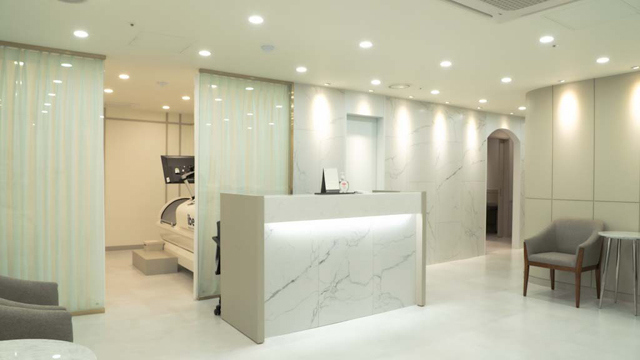
HANA ENT Hospital is Korea's first and Seoul's only ENT specialist hospital officially designated by the Ministry of Health and Welfare — with independently verified, consecutively renewed standards in surgical care, specialist staffing, and patient safety since 1995. For sinusitis specifically, the hospital's institutional credentials are unmatched: it ranked #1 nationally in endoscopic sinus surgery outcomes according to National Health Insurance Service data, and was the first hospital in Korea to introduce coblation surgery technology in 2005.
With over 3.15 million outpatient visits and 77,800+ surgical patients, HANA ENT Hospital brings the surgical volume and clinical depth of a major academic ENT center. The specialist team includes former department chiefs and professors from Seoul National University Hospital, Samsung Seoul Hospital, and Asan Medical Center — physicians who have led Korean and international ENT societies and trained at institutions including the University of Pennsylvania, Cleveland Clinic, and University of Graz.
Key reasons to choose HANA ENT Hospital for sinusitis treatment:
- Seoul's only Ministry-designated ENT specialist hospital — accredited standards in sinus surgical care, verified and renewed consecutively since 1995
- #1 nationally in endoscopic sinus surgery outcomes — a direct institutional benchmark for the treatment of sinusitis and nasal sinus disease
- Navigation-guided FESS technology — enhanced surgical precision for complex or multi-sinus disease
- Real-cost insurance (실비) applicable — FESS costs approximately 1.9–4.8 million KRW with Korean real-cost health insurance reimbursement eligibility
Patient Experiences: Sinusitis Treatment at HANA ENT Hospital
Chronic Sinusitis Patient, 40s
A patient in their mid-40s had experienced recurring sinus infections and persistent facial pressure for over two years, cycling through multiple antibiotic courses without lasting relief. CT imaging confirmed chronic multi-sinus disease with partial nasal polyps. Following navigation-guided FESS, the patient completed their follow-up course and reported significant reduction in facial pressure and sinus congestion within the first month of recovery.
Acute-to-Chronic Progression Patient, 30s
A patient in their early 30s presented with a third episode of acute sinusitis within twelve months, with symptoms escalating in duration and severity. Nasal endoscopy identified a structural contributor to recurrent drainage obstruction. Following medical stabilization and planned FESS, post-operative follow-up confirmed restored sinus drainage and no further acute episodes in the months following surgery.
Start Your Path to Lasting Sinus Relief at HANA ENT Hospital
Chronic sinusitis is not something you have to manage indefinitely. At HANA ENT Hospital — The First ENT Specialty Hospital in Korea, The Only ENT Specialty Hospital in Seoul — our team will identify the root cause of your sinus condition and guide you toward the most appropriate treatment, from targeted medication to precision navigation-guided sinus surgery.
Book your consultation today. Diagnosis, evaluation, and surgical planning — all within a single visit.
[Book Your Sinusitis Consultation at HANA ENT Hospital]
For appointment scheduling and international patient inquiries, contact our patient services desk directly.
Other Services
Explore additional treatments offered by our specialists.

Voice Disorders
The human voice is produced by the precise vibration of the vocal cords — two small but remarkably complex structures housed within the larynx.
Learn More

Respiratory Conditions
Respiratory conditions encompass a broad range of diseases affecting the lungs, bronchi, and airways.
Learn More
Cognitive Decline & Early Dementia
Cognitive decline refers to measurable reduction in memory, attention, language, executive function, or visuospatial ability.
Learn More