Korea's First ENT Specialty Hospital — Ministry-Designated Excellence in Seoul
4.9 Patient Satisfaction
en-US


· Needs Clinic Confirmation
Salivary Gland Tumors
Salivary gland tumors are among the more common head and neck tumors in ENT practice.
Schedule a ConsultationWhat Are Salivary Gland Tumors? Understanding When Assessment Is Needed
The salivary glands — parotid (in front of and below the ears), submandibular (beneath the jaw), and sublingual (beneath the tongue) — can develop swellings from several causes: inflammatory conditions, salivary stones, benign tumors, or in a smaller proportion of cases, malignant disease.
Salivary gland tumors are among the more common head and neck tumors in ENT practice. The majority of parotid tumors are benign — pleomorphic adenoma being most frequent — but distinguishing benign from malignant disease requires specialist assessment, imaging, and tissue sampling. A painless, slowly enlarging lump in the cheek, jaw, or neck region warrants prompt evaluation.
At HANA ENT Hospital, salivary gland conditions are assessed using ultrasound, CT imaging, and fine needle aspiration cytology — accurately characterizing each swelling before any management is recommended.
Who Needs Salivary Gland Assessment?
Seek specialist evaluation if you notice:
- A lump or swelling in the cheek, in front of or below the ear, or beneath the jaw
- A neck swelling in a salivary gland region present for more than two to three weeks
- Painless salivary gland swelling — painless masses warrant earlier assessment
- Pain, tenderness, or redness suggesting infection or stone-related disease
- Difficulty opening the mouth or facial weakness associated with a parotid mass
- Recurrent mealtime swelling suggesting salivary stone obstruction
- Dry mouth or altered saliva production alongside a salivary gland swelling
- Any salivary gland mass that has not been formally assessed by a specialist
[Schedule Your Salivary Gland Evaluation Today]
Meet the Salivary Gland and Head & Neck Specialists at HANA ENT Hospital
 |
 |
 |
|---|---|---|
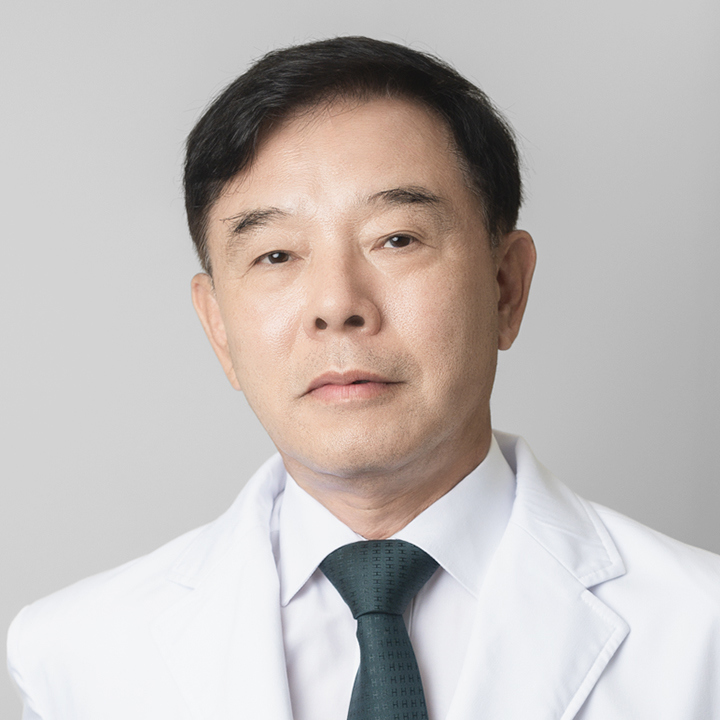
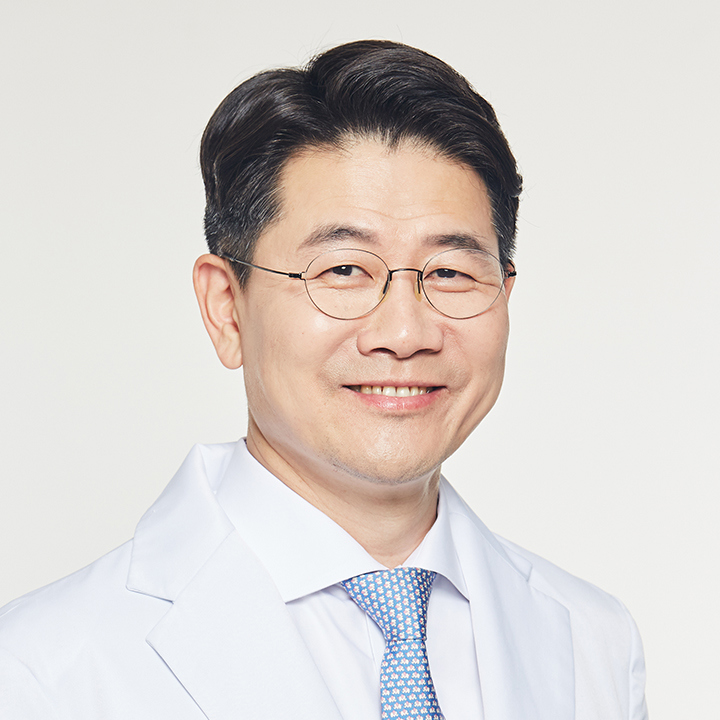
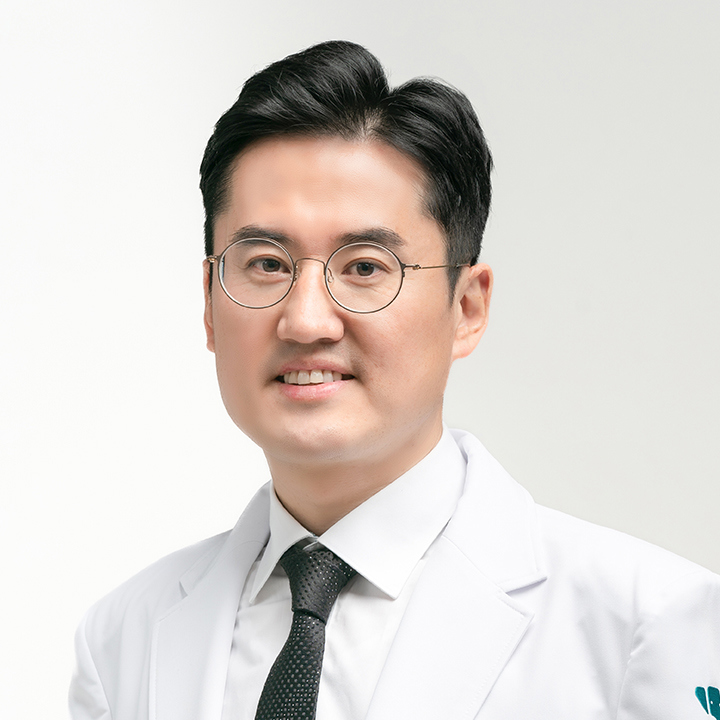
| Dr. Soon Yuhl Nam M.D., Ph.D. | Dr. Hyung Ro Chu Director | Dr. Kyu Sun Jang Senior Physician |
- Dr. Soon Yuhl Nam — Director, Head and Neck Center M.D. & Ph.D., Kyungpook National University · Researcher, Vanderbilt University School of Medicine, USA · Former Professor & Head, Dept. of Otorhinolaryngology, Ulsan University of Medicine · Former Director, Head and Neck Center, Seoul Asan Medical Center. Dr. Soon Yuhl Nam leads HANA ENT Hospital's Head and Neck Center with a career built at the highest levels of Korean academic head and neck oncology. His former role as Director of the Head and Neck Center at Seoul Asan Medical Center — one of Korea's largest and most respected cancer centers — combined with research training at Vanderbilt University School of Medicine in the United States, positions him as one of Korea's most experienced head and neck oncological surgeons. His clinical expertise encompasses laryngeal cancer, thyroid cancer, oral cancer, salivary gland tumors, and neck masses — the full spectrum of head and neck malignancy. For patients presenting with laryngeal cancer at HANA ENT Hospital, Dr. Nam brings Asan Medical Center-level oncological surgical expertise within a specialist ENT hospital environment.
- Dr. Hyung Ro Chu — Director, Throat & Voice / Sleep Center Research Instructor, Head and Neck Surgery, UCSD, USA · Professor, Hallym University College of Medicine · Lecturer, Korea University College of Medicine. UCSD-trained head and neck surgical expertise providing additional specialist depth in throat and laryngeal conditions alongside Dr. Nam.
- Dr. Kyu Sun Jang — ENT Specialist Intern & Resident, Samsung Seoul Hospital · Visiting Physician, University of Iowa, USA · Former Chief, Dept. of Otolaryngology, Joeun Geumgang Hospital. Broad ENT clinical experience supporting head and neck assessment and management.
Shared philosophy: accurate diagnosis through imaging and cytological assessment before any surgical decision — with intervention planned precisely based on tumor type, location, and individual clinical profile.
Salivary Gland Conditions Treated and Expected Improvements
- Benign salivary gland tumors — Most salivary gland tumors are benign, with pleomorphic adenoma the most common type — typically a slowly growing, painless parotid swelling. Despite being benign, surgical excision is recommended both to confirm diagnosis definitively and because some benign tumors carry a small risk of malignant transformation over time. Complete surgical removal by an experienced head and neck surgeon typically resolves the swelling with low recurrence risk. Individual outcomes depend on tumor type, size, and completeness of excision.
- Malignant salivary gland tumors — A proportion of salivary tumors are malignant and require prompt, thorough surgical management — often combined with additional oncological treatment based on tumor type, grade, and stage. At HANA ENT Hospital, malignant salivary conditions are managed by Dr. Soon Yuhl Nam, whose extensive head and neck oncological experience — including his former role as Director of the Head and Neck Center at Seoul Asan Medical Center — ensures specialist surgical expertise for complex cases.
- Salivary gland stones (sialolithiasis) — Salivary stones block normal saliva flow, causing painful mealtime swelling — most commonly in the submandibular gland. Accessible duct stones are removed surgically without gland removal; stones within the gland may require salivary gland excision. Stone removal takes approximately 30 minutes under local or general anesthesia, with recovery of approximately three to four days. Real-cost insurance applicable; costs approximately 600,000–5,000,000 KRW.
- Acute salivary gland infections — Acute bacterial salivary gland infection causes rapid-onset swelling, pain, and systemic symptoms. Managed with antibiotics and anti-inflammatory medication. Ultrasound and CT assess extent of infection and identify abscess formation or stone-related obstruction. Surgical drainage arranged promptly where abscess is identified.
Salivary Gland Assessment and Treatment Process
1. Clinical Consultation & Examination: Detailed history covering onset, character, and associated symptoms of the swelling — including pain, facial weakness, mouth-opening difficulty, or mealtime swelling pattern. Thorough physical examination of salivary gland regions, neck, and oral cavity.
2. Imaging Assessment: Ultrasound characterizes the swelling — solid vs. cystic, vascularity, stone identification. CT imaging arranged where deeper anatomical detail or extent of disease requires further characterization.
3. Fine Needle Aspiration (Where Indicated): For solid salivary gland masses, fine needle aspiration cytology distinguishes benign from malignant disease and guides surgical planning — an essential step before major salivary gland surgery.
4. Personalized Management Plan:
- Medical management — antibiotics and anti-inflammatory treatment for acute infections
- Stone removal — surgical extraction for accessible duct stones; gland excision where stone is within the gland
- Tumor surgery — parotidectomy or submandibular gland excision, planned individually by tumor type and location
5. Post-Operative Care and Recovery: Recovery from stone removal approximately three to four days with two to three follow-up visits. Tumor surgery recovery monitored through structured follow-up within the same specialist system.
Salivary Gland Surgery Results, Safety, and What to Expect
For benign salivary gland tumors, complete surgical excision delivers favorable outcomes with low recurrence rates in most tumor types. For salivary stone removal, resolution of obstruction and symptoms is achieved in the majority of cases with rapid recovery. For malignant tumors, outcomes depend on type, grade, stage, and completeness of resection — discussed individually with each patient before surgery.
Parotid surgery carries specific anatomical risk due to the facial nerve running through the gland. Facial nerve preservation is the primary surgical objective in parotidectomy — requiring precise anatomical dissection by an experienced head and neck surgeon. At HANA ENT Hospital, parotid and submandibular tumor surgery is performed by Dr. Soon Yuhl Nam, whose career at Asan Medical Center provides the specialist depth essential for safe, precise outcomes.
All procedure-specific risks — facial nerve considerations, scar formation, salivary fistula, recurrence — are discussed thoroughly during pre-operative consultation alongside realistic expectations.
Why Choose HANA ENT Hospital for Salivary Gland Treatment?
HANA ENT Hospital is Korea's first and Seoul's only ENT specialist hospital officially designated by the Ministry of Health and Welfare — independently verified surgical and patient safety standards, renewed consecutively since 1995. The Head and Neck Center is led by Dr. Soon Yuhl Nam — former Director of the Head and Neck Center at Seoul Asan Medical Center and Vanderbilt-trained researcher — placing Korea's highest level of head and neck oncological expertise at the center of every salivary gland tumor case at this hospital.
The one-stop clinical system enables clinical examination, ultrasound, CT, and fine needle aspiration to be completed within a single coordinated visit — avoiding the multi-week referral delays that typically accompany head and neck tumor investigation elsewhere. With over 77,800 surgical patients and a dedicated Head and Neck Center, HANA ENT Hospital delivers academic-center depth in salivary gland surgical care.
Key reasons to choose HANA ENT Hospital:
- Former Director, Head and Neck Center, Seoul Asan Medical Center — Korea's highest level of head and neck oncological surgical expertise
- Seoul's only Ministry-designated ENT specialist hospital — accredited head and neck surgical standards, renewed consecutively since 1995
- One-stop assessment — examination, ultrasound, CT, and fine needle aspiration within a single visit
- Real-cost insurance (실비) applicable — stone removal approximately 600,000–5,000,000 KRW with reimbursement eligibility
Patient Experiences: Salivary Gland Assessment at HANA ENT Hospital
Benign Parotid Tumor Patient, 50s
A patient in their early 50s noticed a slowly growing painless lump in front of one ear over eighteen months. Ultrasound and fine needle aspiration confirmed a benign pleomorphic adenoma. Following parotidectomy with facial nerve preservation, the patient recovered uneventfully with complete resolution of the swelling and no facial nerve complications.
Salivary Stone Patient, 40s
A patient in their mid-40s presented with recurrent painful mealtime swelling beneath the jaw over several months. Ultrasound confirmed a submandibular duct stone. Stone removal surgery was completed in approximately 30 minutes under local anesthesia. The patient reported complete resolution of symptoms following a recovery of approximately three to four days.
Don't Leave a Salivary Gland Swelling Unassessed
A persistent swelling in the cheek, jaw, or neck associated with a salivary gland deserves prompt specialist evaluation. At HANA ENT Hospital — The First ENT Specialty Hospital in Korea, The Only ENT Specialty Hospital in Seoul — Dr. Soon Yuhl Nam and the Head and Neck Center team will assess your condition thoroughly, explain your findings clearly, and guide you toward the right management pathway without delay.
Book your consultation today. Examination, imaging, and management planning — all within a single visit.
[Book Your Salivary Gland Consultation at HANA ENT Hospital]
For appointment scheduling and international patient inquiries, contact our patient services desk directly.
Other Services
Explore additional treatments offered by our specialists.

Voice Disorders
The human voice is produced by the precise vibration of the vocal cords — two small but remarkably complex structures housed within the larynx.
Learn More
Respiratory Conditions
Respiratory conditions encompass a broad range of diseases affecting the lungs, bronchi, and airways.
Learn More
Cognitive Decline & Early Dementia
Cognitive decline refers to measurable reduction in memory, attention, language, executive function, or visuospatial ability.
Learn More