Korea's First ENT Specialty Hospital — Ministry-Designated Excellence in Seoul
4.9 Patient Satisfaction
en-US


· Needs Clinic Confirmation
Non-Surgical Treatment (CPAP etc.)
Surgery is not the only — or always the first — answer for snoring and obstructive sleep apnea.
Schedule a ConsultationNon-Surgical Sleep Apnea Treatment — Effective Options Beyond Surgery
Surgery is not the only — or always the first — answer for snoring and obstructive sleep apnea. For the majority of OSA patients, non-surgical treatment is the primary management pathway — and when delivered with proper specialist oversight, individualized device selection, and structured follow-up support, non-surgical approaches can be highly effective at controlling sleep-disordered breathing, restoring sleep quality, and reducing the cardiovascular and metabolic risks associated with untreated OSA.
The challenge with non-surgical OSA treatment is not the effectiveness of the options available — it is adherence. CPAP therapy, the most effective non-surgical treatment for moderate to severe OSA, requires consistent nightly use to deliver its benefits. Many patients struggle with initial discomfort, mask fitting issues, or psychological adjustment to device use — and without structured support, a significant proportion abandon treatment before achieving consistent adherence.
At HANA ENT Hospital, non-surgical sleep treatment is supported by an individualized management system specifically designed to prevent treatment dropout — monitoring CPAP use, addressing discomfort proactively, and guiding patients through the compliance period required for health insurance coverage. The goal is not simply to prescribe a device — it is to ensure the patient actually uses it consistently and achieves the health outcomes that effective OSA treatment delivers.
Who Is Suitable for Non-Surgical Sleep Apnea Treatment?
Non-surgical treatment is the recommended first-line approach for most OSA patients. It is appropriate if:
- Polysomnography has confirmed OSA of any severity requiring active treatment
- You have mild to moderate OSA and lifestyle and conservative measures are being optimized alongside device therapy
- You have moderate to severe OSA for which CPAP therapy is the primary recommended treatment
- You are not currently a surgical candidate or do not wish to pursue surgical treatment
- You have tried CPAP previously but discontinued due to discomfort — structured re-trial with proper support may be appropriate
- You are in the CPAP compliance period and require guidance on meeting health insurance eligibility criteria
- An oral appliance has been recommended as a CPAP alternative based on your OSA pattern and anatomy
- Positional therapy has been identified as a useful adjunct based on position-dependent OSA findings on polysomnography
[Schedule Your Non-Surgical Sleep Treatment Consultation Today]
Meet the Sleep Treatment Specialists at HANA ENT Hospital
 |
 |
 |
 |
|---|---|---|---|
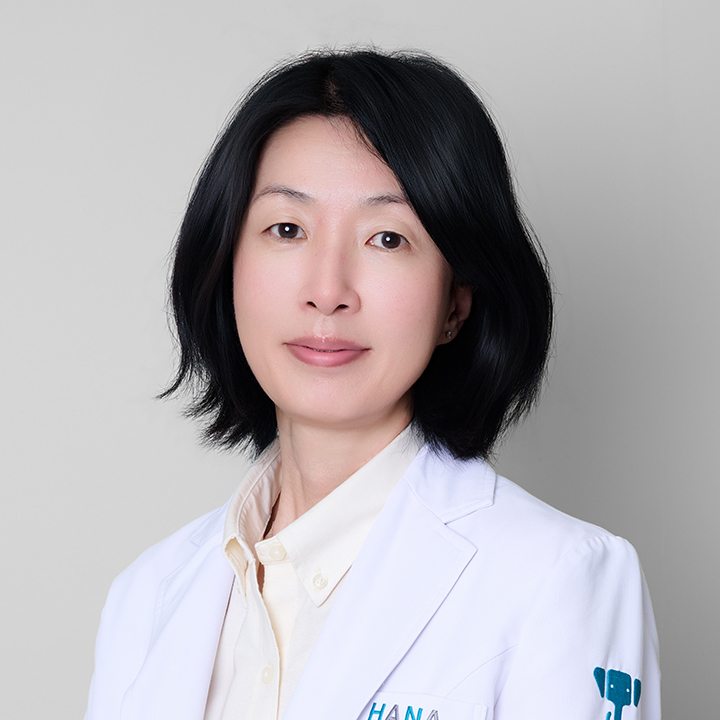
| Dr. Hyung Ro Chu Sleep Center Director | Dr. Jong In Jeong Master of Medicine | Dr. Byung Kil Kim Bachelor's Degree, Master's Degree | Dr. Young-ju Noh M.D., Master's & Ph.D. |
- Dr. Hyung Ro Chu — Director, Throat & Voice / Sleep Center Research Instructor, Head and Neck Surgery, UCSD, USA · Professor, Hallym University College of Medicine · Lecturer, Korea University College of Medicine. Dr. Chu leads HANA ENT Hospital's Sleep Center — overseeing non-surgical and surgical OSA treatment pathways and ensuring every patient receives the treatment approach most appropriate to their specific condition and circumstances.
- Dr. Jeong Jong In — Medical Director & Chief of Medical Services Master of Medicine, Sungkyunkwan University · Trained at Samsung Seoul Hospital & Keimyung University Dongsan Hospital · Former Assistant Professor, Keimyung University Dongsan Hospital. Specialist in sleep apnea, rhinitis, and upper airway conditions — contributing clinical expertise to non-surgical sleep treatment assessment and management.
- Dr. Kim Byung Kil — ENT Specialist B.Med. & M.Sc., Sungkyunkwan University · Clinical Instructor, Samsung Seoul Hospital · Former Clinical Professor, Chilgok Kyungpook National University Hospital. Clinical expertise in sleep apnea and rhinitis — supporting non-surgical upper airway management.
- Dr. Young-ju Noh — Neurologist, Neurology / Snoring Clinic M.D., Seoul National University · Master's & Ph.D., Ulsan University · Resident & Fellow, Dept. of Neurology, Asan Medical Center. Sleep apnea and insomnia specialist providing neurological sleep medicine oversight — ensuring that non-surgical treatment recommendations account for the full neurological and systemic dimensions of each patient's sleep disorder.
Shared philosophy: treatment individualized to each patient's OSA severity, anatomy, lifestyle, and treatment goals; structured follow-up to support adherence; clear guidance on health insurance eligibility throughout the compliance management process.
Non-Surgical Treatment Options
- CPAP therapy (Continuous Positive Airway Pressure) — CPAP is the gold-standard non-surgical treatment for moderate to severe obstructive sleep apnea. The device delivers a continuous stream of pressurized air through a mask during sleep — acting as a pneumatic splint that keeps the upper airway open, preventing the airway collapse responsible for apnea events and oxygen desaturation. When used consistently, CPAP eliminates apnea events, normalizes overnight oxygen levels, restores sleep architecture, reduces cardiovascular risk, and dramatically improves daytime alertness and function. CPAP pressure is prescribed based on polysomnography findings and titrated to the individual patient's requirements. At HANA ENT Hospital, CPAP prescription is supported by structured compliance monitoring and proactive management of discomfort — preventing the dropout that undermines CPAP effectiveness in many patients. CPAP therapy is eligible for Korean national health insurance coverage under defined compliance criteria — guidance on meeting these criteria is provided throughout the management process.
- Oral appliance therapy (mandibular advancement device) — An oral appliance is a custom-fitted dental device worn during sleep that repositions the lower jaw slightly forward — preventing the tongue and soft palate from collapsing backward into the airway. Oral appliances are a recognized treatment option for mild to moderate OSA and for patients with primary snoring who are not CPAP candidates or who prefer an alternative to CPAP. Effectiveness varies by OSA severity and anatomical factors — oral appliances are generally less effective than CPAP for severe OSA but may provide adequate control for milder presentations. Device fitting and follow-up monitoring are coordinated within the HANA ENT Hospital Sleep Center system.
- Weight management — Excess body weight — particularly around the neck and upper body — is one of the most significant modifiable risk factors for OSA. Fat deposition in the pharyngeal walls and tongue narrows the upper airway and increases its collapsibility during sleep. Weight reduction in overweight and obese patients with OSA can meaningfully reduce OSA severity — in some cases achieving clinically significant AHI reduction. Weight management guidance is incorporated into the treatment plan for all OSA patients for whom it is clinically relevant — as both an independent intervention and as a means of improving the effectiveness of CPAP or other treatment modalities.
- Positional therapy — A significant proportion of OSA patients have position-dependent disease — with OSA severity substantially worse when sleeping in the supine (back-lying) position than in lateral positions. Polysomnography identifies position-dependent patterns; for patients with predominantly positional OSA, structured positional therapy — using positional devices or training techniques to encourage side-sleeping — can reduce OSA severity meaningfully as a standalone or adjunctive treatment. Positional therapy is simple, non-invasive, and without device-related side effects — making it a practical first-line option for appropriately selected patients.
CPAP Health Insurance Coverage — Understanding the Compliance Criteria
CPAP therapy for OSA is eligible for Korean national health insurance coverage — significantly reducing the ongoing cost of device use. However, insurance coverage is contingent on meeting defined compliance criteria during an initial compliance (adaptation) period. Understanding these criteria is important for every patient starting CPAP therapy.
- Compliance period: 90 days from the date of the first CPAP prescription.
- Coverage criteria: Within any consecutive 30-day period during the compliance phase, the patient must use CPAP for 4 hours or more per day (3 hours or more for patients aged 12 and under) on 21 or more days.
- Compliance success pathway: Compliance success → Prescription issued → Continued health insurance coverage applied
- Compliance failure pathway: Compliance failure → Prescription cannot be issued / registration cancelled → Health insurance not applied
At HANA ENT Hospital, CPAP compliance is actively monitored throughout the 90-day period — with structured check-ins to identify and address barriers to use (discomfort, mask fit, pressure tolerance) before compliance failure occurs. The management system is specifically designed to prevent patients from abandoning CPAP due to initial difficulties — because consistent use during the compliance period determines both long-term health benefit and insurance eligibility.
Non-Surgical Treatment Process and Follow-Up
1. Sleep Study and OSA Severity Confirmation: Polysomnography confirms OSA diagnosis, severity classification, position-dependent patterns, and oxygen desaturation profile — providing the objective foundation for treatment selection.
2. Individualized Treatment Selection: Based on OSA severity, anatomy, body weight, positional pattern, lifestyle, and patient preference — the most appropriate non-surgical treatment approach is recommended. CPAP for moderate-severe OSA; oral appliance or positional therapy for appropriate mild-moderate presentations; weight management integrated where relevant.
3. CPAP Prescription and Device Setup: CPAP pressure prescribed and device set up. Mask type and fitting optimized for comfort. Patient educated on device operation, cleaning, and what to expect during the adaptation period.
4. Compliance Monitoring and Support: Active monitoring of CPAP usage data throughout the 90-day compliance period. Proactive follow-up identifies comfort issues, mask leakage, or pressure tolerance problems before they result in treatment discontinuation. Adjustments made as needed to maximize adherence.
5. Health Insurance Application Guidance: Clear, step-by-step guidance on the compliance criteria, documentation requirements, and application process for CPAP health insurance coverage — provided throughout the compliance period.
6. Long-Term Follow-Up: Regular review of treatment effectiveness, device condition, and sleep symptom status. Repeat polysomnography where objective treatment outcome assessment is indicated. Treatment approach adjusted as OSA severity or patient circumstances change over time.
Non-Surgical Treatment Results, Safety, and Realistic Expectations
CPAP therapy, when used consistently, is the most effective available treatment for moderate to severe OSA — with virtually complete elimination of apnea events during device use, normalization of overnight oxygen levels, and restoration of restorative sleep. The critical variable is adherence: CPAP only delivers benefit on the nights it is used. Structured compliance support — as provided at HANA ENT Hospital — is the most important factor in achieving the consistent use that translates polysomnographic efficacy into real-world health improvement.
Oral appliance therapy delivers moderate benefit for mild-moderate OSA in appropriately selected patients — with less dependence on nightly adherence challenges than CPAP, though less complete apnea control. Positional therapy is highly effective for genuinely positional OSA and has no device-related side effects.
All non-surgical treatments are safe and reversible — devices can be discontinued at any time without permanent physiological change. No serious safety risks are associated with CPAP, oral appliances, or positional therapy when used as directed under specialist supervision.
Why Choose HANA ENT Hospital for Non-Surgical Sleep Apnea Treatment?
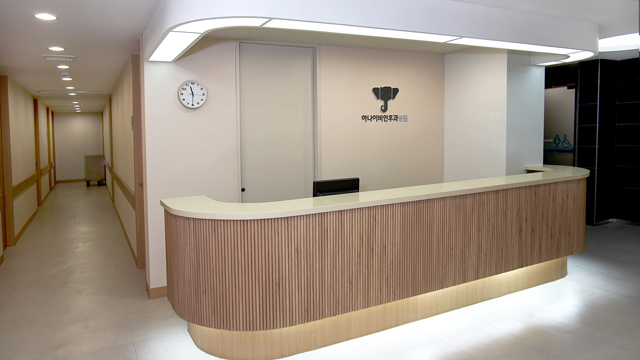
HANA ENT Hospital is Korea's first and Seoul's only ENT specialist hospital officially designated by the Ministry of Health and Welfare — independently verified standards renewed consecutively since 1995. The Sleep Center combines Dr. Hyung Ro Chu's UCSD-trained upper airway expertise with Dr. Young-ju Noh's Asan Medical Center neurological sleep medicine training — providing the multidisciplinary oversight that comprehensive non-surgical OSA management requires.
The hospital's structured CPAP compliance management system addresses the most common cause of non-surgical treatment failure — discomfort-driven dropout during the critical early adaptation period. Clear guidance on health insurance eligibility criteria and compliance documentation reduces the administrative burden on patients navigating the insurance application process. With over 3.15 million outpatient visits and a dedicated Sleep Center, HANA ENT Hospital delivers specialist-level non-surgical sleep care within an integrated, supportive management system.
Key reasons to choose HANA ENT Hospital for non-surgical sleep treatment:
- Structured compliance management system — proactive CPAP support to prevent dropout during the critical compliance period
- CPAP health insurance guidance — step-by-step support for meeting compliance criteria and applying for health insurance coverage
- ENT + Neurology sleep team — combined upper airway and neurological sleep medicine expertise for individualized treatment selection
- Seoul's only Ministry-designated ENT specialist hospital — accredited sleep specialist care, renewed consecutively since 1995
Patient Experiences: Non-Surgical Sleep Apnea Treatment at HANA ENT Hospital
CPAP Treatment Patient, 50s
A patient in their mid-50s with moderate OSA confirmed by polysomnography was prescribed CPAP therapy. Initial mask discomfort was identified at the two-week follow-up; mask type was adjusted and pressure settings optimized by the Sleep Center team. CPAP usage data at 60 days confirmed compliance criteria met — the patient proceeded to health insurance coverage and reported marked improvement in sleep quality, daytime alertness, and energy levels during ongoing follow-up.
Positional OSA Patient, 40s
A patient in their early 40s had polysomnography confirming predominantly positional OSA — AHI of 18 in the supine position versus 4 in the lateral position. Structured positional therapy was initiated as a primary non-surgical approach. Follow-up assessment confirmed consistent lateral sleeping posture and significant subjective improvement in sleep quality and morning alertness without the need for device therapy.
Effective Sleep Apnea Treatment Doesn't Always Mean Surgery — Start with the Right Plan
Non-surgical sleep apnea treatment, delivered with proper specialist oversight and structured compliance support, is highly effective for the majority of OSA patients. At HANA ENT Hospital — The First ENT Specialty Hospital in Korea, The Only ENT Specialty Hospital in Seoul — our Sleep Center team provides individualized non-surgical treatment planning, active CPAP compliance management, and clear health insurance guidance — from first consultation through to long-term treatment success.
Book your consultation today. Sleep assessment, treatment selection, and CPAP prescription — all within a single specialist visit.
[Book Your Non-Surgical Sleep Treatment Consultation at HANA ENT Hospital]
For appointment scheduling, insurance eligibility enquiries, and international patient inquiries, contact our patient services desk directly.
Other Services
Explore additional treatments offered by our specialists.

Voice Disorders
The human voice is produced by the precise vibration of the vocal cords — two small but remarkably complex structures housed within the larynx.
Learn More

Respiratory Conditions
Respiratory conditions encompass a broad range of diseases affecting the lungs, bronchi, and airways.
Learn More
Cognitive Decline & Early Dementia
Cognitive decline refers to measurable reduction in memory, attention, language, executive function, or visuospatial ability.
Learn More