Korea's First ENT Specialty Hospital — Ministry-Designated Excellence in Seoul
4.9 Patient Satisfaction
en-US


· Needs Clinic Confirmation
Meniere's Disease
Meniere's disease is a chronic disorder of the inner ear characterized by episodes of intense, incapacitating vertigo.
Schedule a ConsultationWhat Is Meniere's Disease? Understanding This Inner Ear Condition
Meniere's disease is a chronic disorder of the inner ear characterized by episodes of intense, incapacitating vertigo — a violent spinning sensation — accompanied by fluctuating hearing loss, tinnitus, and a sensation of fullness or pressure in the affected ear. Episodes typically last from 20 minutes to several hours and occur unpredictably, often without warning. Between attacks, many patients experience persistent tinnitus and a gradual accumulation of hearing loss that may become significant over time.
The underlying mechanism is believed to involve endolymphatic hydrops — an abnormal accumulation of fluid in the endolymphatic compartment of the inner ear — that disrupts the delicate pressure and chemical balance required for normal cochlear and vestibular function. When this pressure builds to a critical level, it triggers the characteristic episode of vertigo, hearing fluctuation, and ear symptoms. The exact cause of this fluid dysregulation is not fully understood and likely involves multiple contributing factors including genetics, autoimmune mechanisms, vascular factors, and anatomical variations in the endolymphatic system.
Meniere's disease significantly affects quality of life — the unpredictability of vertigo attacks is often the most disabling aspect, creating anxiety about when the next episode will occur and limiting normal daily activities, work, and travel. At HANA ENT Hospital, Meniere's disease assessment combines audiological testing, vestibular function evaluation, and imaging to confirm the diagnosis and characterize the stage and severity of each patient's condition before treatment is planned.
Who Needs Meniere's Disease Assessment?
Specialist evaluation is essential for accurate Meniere's disease diagnosis — as its characteristic symptom cluster overlaps with other inner ear conditions that require different management. Seek assessment if you experience:
- Episodes of severe spinning vertigo lasting 20 minutes to several hours
- Hearing loss that fluctuates — noticeably worse during or around attacks and recovering partially between episodes
- A persistent or fluctuating ringing, roaring, or buzzing in one ear — particularly varying around attack episodes
- A sensation of fullness, pressure, or stuffiness in one ear
- Symptoms consistently affecting one ear — bilateral involvement is less common, particularly in early disease
- Nausea or vomiting accompanying vertigo episodes
- Worsening or less complete recovery of hearing between episodes over time — suggesting progressive cochlear damage
- Anxiety or avoidance of activities due to unpredictable vertigo
- Patients in their 30s–60s with episodic vertigo and hearing symptoms not yet formally assessed by an ear specialist
[Schedule Your Meniere's Disease Evaluation Today]
Meet the Meniere's Disease and Ear Specialists at HANA ENT Hospital
 |
 |
 |
|---|---|---|
| Dr. Chang Sun O M.D., Ph.D. | Dr. Jang JeongHun Bachelor of Medicine, Master of Medicine | Dr. Kim Jong Sei Assistant Professor, Ph.D. Coursework |
- Dr. Chang Sun O — Director, Ear Disease Center Ph.D., Seoul National University · Visiting Professor, Michigan State University & University of Lübeck, Germany · Former Chief, Dept. of Otolaryngology, Seoul National University Hospital · Former Director, Cochlear Implant Center, Seoul National University Hospital · President, Korean Audiological Society. Dr. Chang leads HANA ENT Hospital's Ear Disease Center with career-long expertise in the full spectrum of inner ear disease — including Meniere's disease diagnosis, audiological assessment, and management. His former role as Chief of Otolaryngology at Seoul National University Hospital and his presidency of the Korean Audiological Society reflect the highest level of academic and clinical authority in Korean ear and hearing disease. His visiting professorships at Michigan State University and the University of Lübeck bring an internationally informed perspective to inner ear condition management.
- Dr. Jang JeongHun — Director & ENT Specialist M.D., Master's & Ph.D., Seoul National University · Training, Pittsburgh Medical Center · Former Professor, Ajou University. Specialist in Meniere's disease, tinnitus, cochlear implants, hearing loss, dizziness, and sudden hearing loss — with deep expertise in the overlapping inner ear conditions that must be carefully distinguished during Meniere's disease assessment.
- Dr. Kim Jong Sei — ENT Specialist Kyungpook National University · Clinical Instructor, Samsung Seoul Hospital · Former Assistant Professor, Eulji University Hospital & Catholic Kwandong University. Focus: dizziness, tinnitus, Meniere's disease, hearing loss, and endoscopic ear surgery — dedicated clinical expertise in the vestibular and hearing conditions central to Meniere's disease care.
Shared approach: thorough audiological and vestibular assessment to confirm diagnosis and stage; individualized management based on attack frequency, hearing status, and treatment response; long-term monitoring to track disease progression.
Meniere's Disease Assessment and Treatment Areas
- Diagnosis and disease staging — Accurate Meniere's disease diagnosis requires confirmation of the characteristic four-symptom complex — episodic vertigo, fluctuating hearing loss, tinnitus, and ear fullness — alongside audiological evidence of low-frequency sensorineural hearing loss consistent with endolymphatic hydrops. Vestibular function testing assesses the degree of vestibular involvement; MRI imaging of the inner ear may be arranged to support diagnosis and exclude other causes of episodic vertigo. At HANA ENT Hospital, diagnosis is approached systematically — ensuring that other treatable causes of vertigo and hearing symptoms are not missed before a Meniere's disease diagnosis is established.
- Dietary, lifestyle, and medical management — First-line Meniere's disease management focuses on reducing endolymphatic pressure through dietary sodium restriction, fluid regulation, and avoidance of known triggers — caffeine, alcohol, and significant stress. Medical management with diuretics and vestibular suppressants is used to reduce attack frequency and manage acute vertigo episodes. For many patients, consistent adherence to dietary modification and medical management achieves meaningful reduction in attack frequency and severity. Individual response varies — some patients achieve good control; others experience ongoing frequent attacks despite conservative management.
- Intratympanic injection therapy — For patients with poorly controlled Meniere's disease despite adequate conservative management, intratympanic injection offers a targeted treatment approach. Intratympanic steroid injection reduces inner ear inflammation and may improve hearing and reduce vertigo frequency in some patients. Intratympanic gentamicin injection — a selectively destructive approach targeting the vestibular function of the affected ear — is used for patients with persistent disabling vertigo where hearing preservation is a secondary concern. Both approaches are administered through the eardrum under clinical supervision. Individual response to intratympanic therapy varies.
- Long-term hearing management — Progressive hearing loss is a recognized consequence of longstanding Meniere's disease — particularly in patients with frequent attacks over many years. Audiological monitoring tracks hearing function over time; hearing aid fitting through HANA ENT Hospital's in-clinic hearing aid center provides rehabilitation for patients with established hearing loss. For patients with severe to profound hearing loss in the affected ear, cochlear implant assessment may be relevant in selected cases.
Meniere's Disease Diagnosis and Treatment Process
1. Detailed Clinical History: Comprehensive review of vertigo episode characteristics — onset, duration, frequency, associated symptoms; hearing fluctuation pattern; tinnitus character and laterality; ear fullness history; and impact on daily life and activities.
2. Audiological Assessment: Pure tone audiometry confirming low-frequency sensorineural hearing loss characteristic of Meniere's disease; speech audiometry; tympanometry. Serial audiological assessment over time tracks hearing fluctuation and progressive loss.
3. Vestibular Function Testing: Objective assessment of vestibular function in the affected ear — confirming the degree of vestibular involvement and supporting the diagnosis.
4. MRI Imaging (Where Indicated): MRI of the inner ear and internal auditory canals excludes other causes of episodic vertigo — including acoustic neuroma — and may demonstrate endolymphatic hydrops in selected cases.
5. Individualized Management Plan:
- Dietary and lifestyle modification — sodium restriction, fluid regulation, trigger avoidance
- Medical management — diuretics, vestibular suppressants, anti-nausea medication for acute attacks
- Intratympanic steroid injection — for inadequately controlled disease with active hearing fluctuation
- Intratympanic gentamicin — for persistent disabling vertigo in selected patients
- Hearing rehabilitation — hearing aid fitting or cochlear implant assessment for established hearing loss
6. Long-Term Monitoring: Regular audiological review to track hearing function over time. Attack frequency and severity monitored; treatment adjusted based on disease course. Meniere's disease is a long-term condition requiring ongoing specialist support.
Meniere's Disease Treatment Results, Safety, and Realistic Expectations
Meniere's disease is a chronic, variable condition — treatment aims to reduce attack frequency and severity, protect hearing function, and improve quality of life rather than achieve complete cure. For many patients, dietary modification and medical management meaningfully reduce attack burden. For those with refractory disease, intratympanic approaches offer additional options — with intratympanic gentamicin particularly effective for vertigo control, though at the cost of some vestibular function in the treated ear.
Patients should approach Meniere's disease management with realistic long-term expectations: disease course varies significantly between individuals — some experience spontaneous reduction in attack frequency over years, while others have more persistent active disease. Hearing loss, once established, is generally not reversible. Long-term audiological monitoring and adjustment of the management plan based on disease course are essential components of comprehensive Meniere's care.
Why Choose HANA ENT Hospital for Meniere's Disease Treatment?
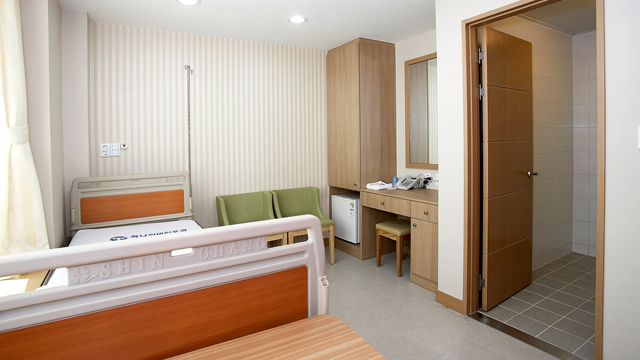
HANA ENT Hospital is Korea's first and Seoul's only ENT specialist hospital officially designated by the Ministry of Health and Welfare — independently verified standards renewed consecutively since 1995. The Ear Disease Center is led by Dr. Chang Sun O — former Chief of Otolaryngology at Seoul National University Hospital and President of the Korean Audiological Society — with Dr. Jang JeongHun and Dr. Kim Jong Sei providing additional specialist depth in vestibular disorders, inner ear disease, and Meniere's disease management.
The hospital's comprehensive audiological and vestibular assessment capabilities — combined with the specialist team's depth of inner ear disease expertise — enable accurate Meniere's disease diagnosis and individualized treatment planning within a single visit. Long-term monitoring and hearing rehabilitation support are provided within the same specialist system throughout the patient's disease course.
Key reasons to choose HANA ENT Hospital for Meniere's disease treatment:
- President, Korean Audiological Society & Former SNU Hospital Chief of Otolaryngology — Korea's foremost academic authority in ear disease and audiology
- Comprehensive inner ear assessment — audiological, vestibular, and imaging evaluation for accurate Meniere's disease diagnosis and staging
- Full-spectrum management — dietary guidance through intratympanic therapy and hearing rehabilitation within the same specialist system
- Seoul's only Ministry-designated ENT specialist hospital — accredited ear specialist care, renewed consecutively since 1995
Patient Experiences: Meniere's Disease Treatment at HANA ENT Hospital
Meniere's Disease Patient, 40s
A patient in their mid-40s had experienced recurrent episodes of severe vertigo lasting two to three hours, accompanied by fluctuating hearing loss and persistent tinnitus in one ear, over an eighteen-month period. Audiological assessment confirmed low-frequency sensorineural hearing loss consistent with Meniere's disease; vestibular testing confirmed reduced function in the affected ear. Following diagnosis, a structured management plan combining dietary sodium restriction, diuretic therapy, and vestibular suppressant medication was initiated. The patient reported meaningful reduction in attack frequency at three-month follow-up.
Refractory Meniere's Disease Patient, 50s
A patient in their early 50s with a five-year Meniere's disease history presented with persistent disabling vertigo attacks despite adequate dietary and medical management. Intratympanic gentamicin injection was administered following thorough discussion of expected outcomes and hearing implications. Follow-up vestibular and audiological assessment confirmed successful reduction in vertigo frequency, with the patient reporting significant improvement in daily functioning and reduced activity limitation.
Unpredictable Vertigo and Fluctuating Hearing Deserve Specialist Assessment
Episodic vertigo, fluctuating hearing loss, persistent tinnitus, and ear fullness — occurring together — are the hallmarks of Meniere's disease and warrant specialist inner ear assessment. At HANA ENT Hospital — The First ENT Specialty Hospital in Korea, The Only ENT Specialty Hospital in Seoul — our ear specialist team provides comprehensive Meniere's disease diagnosis and individualized long-term management.
Book your consultation today. Audiological assessment, vestibular evaluation, and treatment planning — all within a single visit.
[Book Your Meniere's Disease Consultation at HANA ENT Hospital]
For appointment scheduling and international patient inquiries, contact our patient services desk directly.
Other Services
Explore additional treatments offered by our specialists.

Voice Disorders
The human voice is produced by the precise vibration of the vocal cords — two small but remarkably complex structures housed within the larynx.
Learn More

Respiratory Conditions
Respiratory conditions encompass a broad range of diseases affecting the lungs, bronchi, and airways.
Learn More

Cognitive Decline & Early Dementia
Cognitive decline refers to measurable reduction in memory, attention, language, executive function, or visuospatial ability.
Learn More