Korea's First ENT Specialty Hospital — Ministry-Designated Excellence in Seoul
4.9 Patient Satisfaction
en-US


· Needs Clinic Confirmation
Hearing Loss
Hearing loss is among the most prevalent sensory conditions affecting adults and children worldwide — yet it is frequently underrecognized and undertreated.
Schedule a ConsultationWhat Is Hearing Loss? Understanding Types, Causes, and Why Precise Diagnosis Matters
Hearing loss is among the most prevalent sensory conditions affecting adults and children worldwide — yet it is frequently underrecognized and undertreated. People often adapt to progressive hearing loss over months or years, attributing it to aging or noise exposure, without seeking the specialist assessment that could identify the underlying cause and initiate appropriate treatment. The consequences of untreated hearing loss extend well beyond communication difficulty — affecting cognitive function, social engagement, mental health, and overall quality of life.
Hearing loss is not a single condition but a category encompassing multiple types, each with distinct causes, diagnostic profiles, and treatment pathways. Conductive hearing loss occurs when sound transmission through the outer or middle ear is impaired — by conditions such as middle ear fluid, eardrum perforation, otosclerosis, or chronic ear disease. Sensorineural hearing loss occurs when the inner ear (cochlea) or auditory nerve is damaged — by noise exposure, aging, sudden sensorineural hearing loss, viral illness, or other factors. Many patients have a mixed component of both types. The treatment approach differs fundamentally between types — making precise audiological diagnosis the essential starting point for all hearing loss care.
At HANA ENT Hospital, hearing loss assessment is conducted using a comprehensive suite of advanced audiological tests — operated by a dedicated on-site audiologist in a specialist hearing examination room — providing fast, accurate characterization of hearing loss type, degree, and underlying cause before any treatment is recommended.
Who Needs Hearing Loss Assessment?
Specialist hearing evaluation is recommended whenever hearing difficulty is persistent, progressive, or affecting daily communication. Seek assessment if you experience:
- Difficulty following conversations — particularly in noisy environments or when not facing the speaker
- Frequently asking others to repeat themselves or turning up the television volume
- Sudden hearing loss in one or both ears — sudden sensorineural hearing loss is a medical emergency requiring urgent treatment
- Progressive hearing loss developing gradually over months or years
- One-sided hearing loss — warrants assessment to exclude acoustic neuroma or other unilateral ear pathology
- Hearing loss accompanied by tinnitus, dizziness, or ear fullness
- Hearing loss following significant noise exposure — at work, concerts, or from headphone use
- Children with suspected hearing difficulty — early identification is critical for language and developmental outcomes
- Patients in their 40s–70s noticing gradual difficulty following speech, particularly in background noise
- Any patient previously fitted with hearing aids who has not had a recent audiological review
[Schedule Your Hearing Loss Evaluation Today]
Meet the Hearing Loss and Ear Specialists at HANA ENT Hospital
 |
 |
 |
|---|---|---|
| Dr. Chang Sun O M.D., Ph.D. | Dr. Jang JeongHun Bachelor of Medicine, Master of Medicine | Dr. Kim Jong Sei Assistant Professor, Ph.D. Coursework |
- Dr. Chang Sun O — Director, Ear Disease Center Ph.D., Seoul National University · Visiting Professor, Michigan State University (Kressy Institute) & University of Lübeck, Germany · Former Chief, Dept. of Otolaryngology, Seoul National University Hospital · Former Director, Cochlear Implant Center, Seoul National University Hospital · President, Korean Audiological Society. Dr. Chang Sun O leads HANA ENT Hospital's Ear Disease Center with a career built at the pinnacle of Korean academic otology and audiology. His former role as Chief of the Department of Otolaryngology at Seoul National University Hospital — Korea's most prestigious academic institution — and as Director of the Cochlear Implant Center at the same institution, combined with visiting professorships at Michigan State University and the University of Lübeck, position him as one of Korea's foremost authorities on hearing loss and cochlear implantation. As President of the Korean Audiological Society, Dr. Chang brings the highest level of Korean academic expertise in hearing science and ear disease to every hearing loss consultation at HANA ENT Hospital.
- Dr. Jang JeongHun — Director & ENT Specialist M.D., Master's & Ph.D., Seoul National University · Training, Pittsburgh Medical Center · Cochlear Implant Training — Sydney, Innsbruck, Piacenza, Valencia · Former Professor of Otolaryngology, Ajou University. Dr. Jang holds all three medical degrees from Seoul National University and completed cochlear implant training at four international centers — Sydney, Innsbruck, Piacenza, and Valencia. His clinical expertise covers cochlear implants, hearing loss, tinnitus, Meniere's disease, sudden hearing loss, and dizziness — making him one of the most comprehensively trained cochlear implant and hearing loss specialists in the HANA ENT Hospital team.
- Dr. Kim Jong Sei — ENT Specialist Graduate School of Medicine, Kyungpook National University · Clinical Instructor, Samsung Seoul Hospital · Former Assistant Professor, Eulji University Hospital & Catholic Kwandong University. Focus: hearing loss, tinnitus, dizziness, Meniere's disease, endoscopic ear surgery, and hearing aids.
Shared philosophy: precise audiological diagnosis first; treatment matched to the specific type and cause of each patient's hearing loss; and individualized care from initial assessment through to hearing rehabilitation.
Hearing Loss Types, Treatment Areas, and Expected Improvements
- Conductive hearing loss — Conductive hearing loss results from impaired sound transmission through the outer or middle ear. Common causes include chronic otitis media, middle ear fluid (glue ear), eardrum perforation, and otosclerosis. Medical treatment is the first-line approach for inflammatory or infectious causes; surgical intervention — eardrum repair, ossicular reconstruction, or other middle ear procedures — is considered when medical treatment is insufficient or when a structural cause requires correction. Conductive hearing loss is often the most reversible type — with appropriate treatment frequently restoring meaningful hearing function. Individual outcomes depend on the underlying cause and duration of hearing impairment.
- Sensorineural hearing loss — hearing aids — Sensorineural hearing loss results from cochlear or auditory nerve damage and is generally not reversible through medication or surgery. For moderate sensorineural hearing loss, hearing aids are the primary rehabilitation tool — amplifying and processing sound to improve speech understanding. At HANA ENT Hospital, hearing aid selection and fitting is conducted through the in-clinic hearing aid center, following precise audiological assessment by the on-site audiologist. Hearing aid type and characteristics are matched to each patient's audiological profile, lifestyle, and communication needs — an individually tailored process rather than a standardized prescription.
- Severe to profound hearing loss — cochlear implant — For patients with severe to profound sensorineural hearing loss for whom hearing aids no longer provide adequate benefit, cochlear implant surgery offers the most effective hearing rehabilitation option available. A cochlear implant bypasses the damaged cochlea entirely — delivering direct electrical stimulation to the auditory nerve via an electrode array implanted in the cochlea, enabling perception of speech and music. HANA ENT Hospital's cochlear implant program is led by Dr. Chang Sun O — former Director of the Cochlear Implant Center at Seoul National University Hospital — and Dr. Jang JeongHun, who completed cochlear implant training at four international centers. Both adult and pediatric cochlear implant cases are managed within the same specialist system.
- Sudden sensorineural hearing loss — Sudden sensorineural hearing loss — defined as hearing loss of 30dB or more developing within 72 hours — is a medical emergency requiring urgent specialist assessment and treatment. The primary treatment is high-dose oral or intratympanic corticosteroids, initiated as soon as possible after onset. For patients in whom oral steroids are contraindicated — due to diabetes, cerebrovascular disease, or liver conditions — intratympanic steroid injection delivers corticosteroids directly into the middle ear space, achieving high local concentrations without systemic side effects. Hyperbaric oxygen therapy (HBOT) , customized to each patient's individual requirements by HANA ENT Hospital's specialist team, is an additional treatment option for sudden hearing loss management. Hearing recovery following sudden hearing loss is strongly time-dependent — early treatment is associated with significantly better outcomes.
Hearing Loss Diagnosis and Treatment Process
1. Clinical Consultation & Hearing History: Detailed history covering onset, pattern, and progression of hearing difficulty; associated tinnitus, dizziness, or ear symptoms; noise exposure and medical history; and prior hearing assessments or treatments.
2. Comprehensive Audiological Assessment: Conducted by HANA ENT Hospital's dedicated on-site audiologist in a specialist audiology examination room — using advanced audiological equipment for fast, accurate testing:
- Pure tone audiometry — degree and type of hearing loss across frequencies
- Speech audiometry — speech understanding ability assessment
- Impedance audiometry — eardrum, middle ear, and Eustachian tube function
- Otoacoustic emissions — cochlear hair cell function and damage assessment
- ABR/BERA — for severe hearing loss, young children, or cases where standard audiometry is not feasible
3. Imaging Where Indicated: CT or MRI arranged where structural ear pathology, acoustic neuroma, or cochlear anatomy assessment for implant planning requires imaging.
4. Personalized Treatment Plan: Based on hearing loss type, degree, and underlying cause:
- Conductive hearing loss — medical treatment first; surgical correction where indicated
- Sudden hearing loss — urgent oral or intratympanic steroids; HBOT where indicated
- Moderate sensorineural hearing loss — hearing aid fitting through in-clinic hearing aid center
- Severe/profound hearing loss — cochlear implant evaluation and surgery
5. Hearing Rehabilitation and Follow-Up: Hearing aid fitting and adjustment managed through the in-clinic hearing aid center with follow-up audiological reviews. Cochlear implant patients receive structured post-operative auditory rehabilitation support. Long-term hearing function monitored within the same specialist system.
Hearing Loss Treatment Results, Safety, and What to Expect
Hearing loss treatment outcomes depend on type, cause, and duration. Conductive hearing loss frequently shows meaningful improvement with appropriate medical or surgical management. Sudden sensorineural hearing loss has the best recovery prospects when treated urgently — delay significantly reduces the likelihood of hearing restoration. For chronic sensorineural hearing loss, hearing aids deliver meaningful improvement in speech understanding and communication for most patients when fitted accurately. Cochlear implants in appropriately selected patients with severe to profound hearing loss typically provide significant improvement in speech perception — outcomes improve progressively with auditory rehabilitation following surgery.
Every hearing assessment at HANA ENT Hospital is conducted using advanced audiological equipment by a dedicated on-site audiologist — ensuring the accuracy and speed of diagnosis that effective hearing loss treatment requires. Cochlear implant surgery is performed by specialists with dedicated training across multiple international cochlear implant centers, within a Ministry-accredited ENT surgical facility.
Why Choose HANA ENT Hospital for Hearing Loss Treatment?
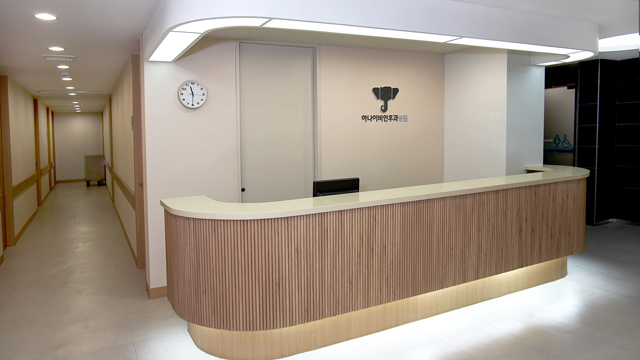
HANA ENT Hospital is Korea's first and Seoul's only ENT specialist hospital officially designated by the Ministry of Health and Welfare — with independently verified, consecutively renewed standards since 1995. The Ear Disease Center is led by Dr. Chang Sun O — former Chief of Otolaryngology and Director of the Cochlear Implant Center at Seoul National University Hospital, and President of the Korean Audiological Society — bringing Korea's highest academic authority in hearing science and cochlear implantation to every hearing loss consultation.
The hospital's dedicated on-site audiologist, specialist audiology examination room, advanced testing equipment, and in-clinic hearing aid center enable comprehensive hearing loss assessment and rehabilitation within a single visit. Dr. Jang JeongHun's cochlear implant training across four international centers — combined with Dr. Chang's former directorship of the Seoul National University Hospital Cochlear Implant Center — establishes HANA ENT Hospital's cochlear implant program at the highest level of specialist expertise available in Korean ENT practice.
Key reasons to choose HANA ENT Hospital for hearing loss treatment:
- Former Director, Seoul National University Hospital Cochlear Implant Center & President, Korean Audiological Society — Korea's foremost academic authority in hearing loss and cochlear implantation
- Dedicated on-site audiologist & advanced testing equipment — comprehensive audiological assessment within a single visit
- In-clinic hearing aid center — precise hearing aid fitting and management without external referral
- Seoul's only Ministry-designated ENT specialist hospital — accredited ear specialist care, renewed consecutively since 1995
Patient Experiences: Hearing Loss Treatment at HANA ENT Hospital
Sudden Hearing Loss Patient, 40s
A patient in their mid-40s presented with sudden complete hearing loss in one ear developing overnight. Urgent audiological assessment confirmed profound unilateral sensorineural hearing loss. Intratympanic steroid injection was initiated following contraindication to oral steroids due to diabetes. Progressive hearing recovery was documented across follow-up audiological assessments over the subsequent weeks.
Severe Hearing Loss Cochlear Implant Patient, 60s
A patient in their early 60s with long-standing progressive bilateral sensorineural hearing loss presented having reached the limit of hearing aid benefit. Audiological assessment confirmed severe to profound loss in both ears. Cochlear implant surgery was performed by Dr. Jang JeongHun. Post-operative auditory rehabilitation was initiated and the patient reported meaningful improvement in speech perception during structured follow-up assessments.
Don't Wait on Hearing Loss — Early Assessment Makes a Difference
Whether you are experiencing gradual hearing difficulty, sudden hearing loss, or reaching the limits of hearing aid benefit, specialist assessment is the essential first step toward the right treatment. At HANA ENT Hospital — The First ENT Specialty Hospital in Korea, The Only ENT Specialty Hospital in Seoul — our ear specialists and dedicated audiologist provide fast, precise hearing evaluation and individualized care from first assessment through to full hearing rehabilitation.
Book your consultation today. Advanced audiological testing, specialist examination, and personalized treatment planning — all within a single visit.
[Book Your Hearing Loss Consultation at HANA ENT Hospital]
For appointment scheduling and international patient inquiries, contact our patient services desk directly.
Other Services
Explore additional treatments offered by our specialists.

Voice Disorders
The human voice is produced by the precise vibration of the vocal cords — two small but remarkably complex structures housed within the larynx.
Learn More

Respiratory Conditions
Respiratory conditions encompass a broad range of diseases affecting the lungs, bronchi, and airways.
Learn More

Cognitive Decline & Early Dementia
Cognitive decline refers to measurable reduction in memory, attention, language, executive function, or visuospatial ability.
Learn More