Korea's First ENT Specialty Hospital — Ministry-Designated Excellence in Seoul
4.9 Patient Satisfaction
en-US


· Needs Clinic Confirmation
Head & Neck Tumors
Head and neck tumors encompass a broad category of both benign and malignant growths arising from the structures of the head and neck.
Schedule a ConsultationWhat Are Head & Neck Tumors? Understanding the Range of Conditions Requiring Specialist Assessment
Head and neck tumors encompass a broad category of both benign and malignant growths arising from the structures of the head and neck — including the larynx, pharynx, oral cavity, thyroid gland, salivary glands, lymph nodes, and surrounding soft tissue. Together, head and neck cancers represent one of the most common cancer groups globally, yet they are frequently diagnosed late — partly because early symptoms such as a persistent sore throat, hoarse voice, or a neck lump are easy to attribute to benign causes and defer from specialist assessment.
The head and neck region is anatomically complex — encompassing critical structures responsible for breathing, swallowing, speaking, hearing, and facial expression. Tumors in this region can affect any of these functions, and their management demands a specialist with deep, focused expertise in the anatomy, oncology, and surgical technique specific to this area. General surgery is not sufficient — head and neck tumor care requires an ENT specialist with dedicated head and neck oncological training.
At HANA ENT Hospital's Head and Neck Center, the full spectrum of head and neck tumors — from early benign masses to complex malignancies — is assessed and managed by specialists with Asan Medical Center and UCSD-level head and neck oncological expertise, within a one-stop diagnostic and surgical system.
Who Needs Head & Neck Tumor Assessment?
Specialist evaluation is recommended whenever a head or neck symptom is persistent, unexplained, or associated with risk factors for malignancy. Seek assessment if you experience:
- A persistent neck lump present for more than two to three weeks
- Hoarseness or voice change lasting more than two to three weeks
- Difficulty swallowing — particularly when progressive
- A non-healing mouth sore, ulcer, or oral patch lasting more than two to three weeks
- Persistent throat pain or discomfort without infectious cause
- Noisy breathing or unexplained shortness of breath
- Facial weakness or numbness associated with a head or neck mass
- Unexplained ear pain on one side in the context of throat symptoms
- Unexplained weight loss accompanying head or neck symptoms
- Patients with tobacco use, heavy alcohol consumption, or betel nut use experiencing new or changing head or neck symptoms
- Any previously identified head or neck lesion that has changed in size, character, or symptom profile
[Schedule Your Head & Neck Tumor Evaluation Today]
Meet the Head & Neck Tumor Specialists at HANA ENT Hospital
 |
 |
 |
|---|---|---|
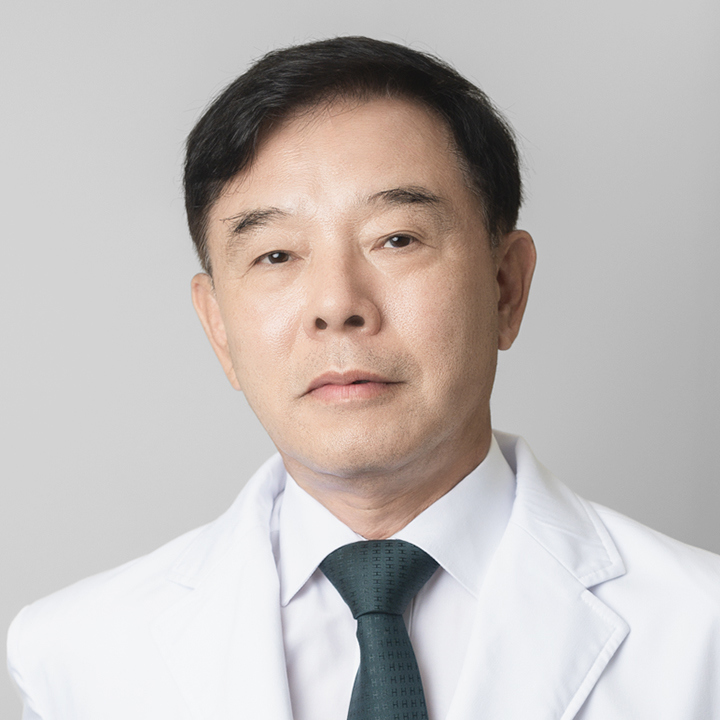
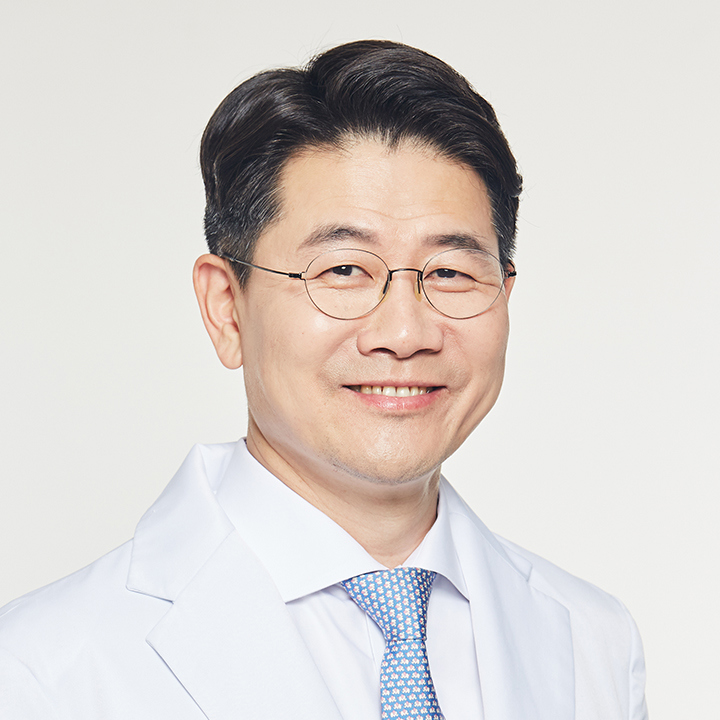
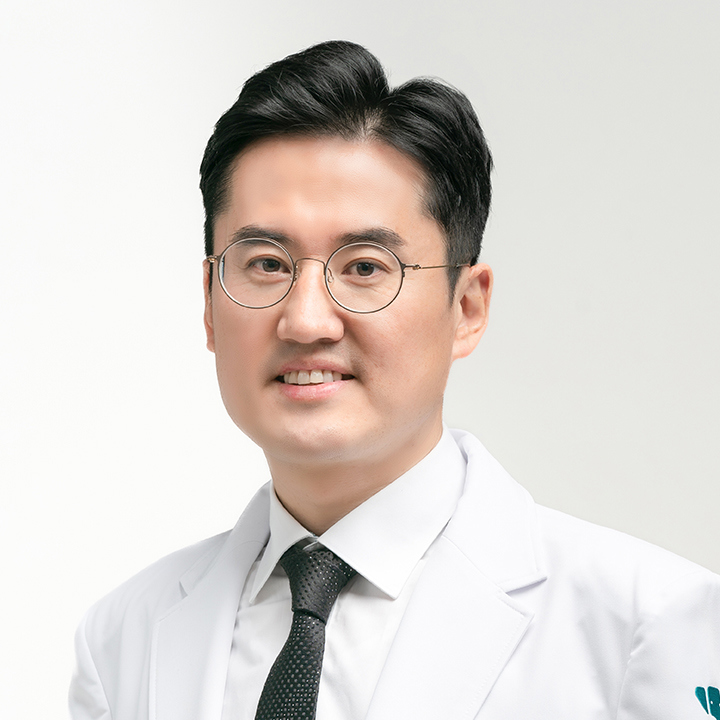
| Dr. Soon Yuhl Nam M.D., Ph.D. | Dr. Hyung Ro Chu Director | Dr. Kyu Sun Jang Senior Physician |
- Dr. Soon Yuhl Nam — Director, Head and Neck Center M.D. & Ph.D., Kyungpook National University · Researcher, Vanderbilt University School of Medicine, USA · Former Professor & Head, Dept. of Otorhinolaryngology, Ulsan University of Medicine · Former Director, Head and Neck Center, Seoul Asan Medical Center. Dr. Soon Yuhl Nam leads HANA ENT Hospital's Head and Neck Center with a career built at the highest levels of Korean academic head and neck oncology. His former role as Director of the Head and Neck Center at Seoul Asan Medical Center — one of Korea's largest and most respected cancer centers — combined with research training at Vanderbilt University School of Medicine in the United States, positions him as one of Korea's most experienced head and neck oncological surgeons. His clinical expertise encompasses laryngeal cancer, thyroid cancer, oral cancer, salivary gland tumors, and neck masses — the full spectrum of head and neck malignancy. For patients presenting with laryngeal cancer at HANA ENT Hospital, Dr. Nam brings Asan Medical Center-level oncological surgical expertise within a specialist ENT hospital environment.
- Dr. Hyung Ro Chu — Director, Throat & Voice / Sleep Center Research Instructor, Head and Neck Surgery, UCSD, USA · Professor, Hallym University College of Medicine · Lecturer, Korea University College of Medicine. UCSD-trained head and neck surgical expertise providing additional specialist depth in throat and laryngeal conditions alongside Dr. Nam.
- Dr. Kyu Sun Jang — ENT Specialist Intern & Resident, Samsung Seoul Hospital · Visiting Physician, University of Iowa, USA · Former Chief, Dept. of Otolaryngology, Joeun Geumgang Hospital. Broad ENT clinical experience supporting head and neck assessment and management.
Shared philosophy: precise staging through thorough clinical and imaging assessment; individualized multidisciplinary treatment planning based on tumor type, site, and stage; and clear, honest communication with every patient throughout the diagnostic and treatment journey.
Head & Neck Tumor Types and Treatment Areas
- Laryngeal and pharyngeal cancers — Cancers of the larynx and pharynx are among the most common head and neck malignancies, most frequently presenting with persistent hoarseness, throat discomfort, or swallowing difficulty. Early-stage laryngeal cancer in particular offers favorable treatment outcomes — with organ-preserving surgical or radiation approaches achievable for carefully selected early tumors. Advanced disease requires more extensive surgical resection — potentially including laryngectomy or pharyngectomy — combined with neck dissection and adjuvant oncological treatment. Voice and swallowing rehabilitation is an integral component of post-surgical care planning. Individual outcomes depend on tumor site, stage, and treatment approach.
- Oral cavity cancers — Oral cancers — including tongue cancer, floor of mouth cancer, buccal mucosal carcinoma, and lip cancer — are managed primarily with surgical excision combined with neck dissection where regional lymph node involvement is present or at risk. Reconstruction of surgical defects — using local or distant tissue flaps depending on defect extent — is planned from the outset to optimize post-operative function and appearance. Early-stage oral cancers carry significantly better outcomes than advanced presentations, reinforcing the importance of prompt assessment of any non-healing oral lesion.
- Thyroid tumors — Thyroid nodules and tumors are among the most common head and neck masses encountered in ENT practice. The majority of thyroid nodules are benign, but malignant thyroid tumors — including papillary, follicular, and medullary carcinoma — require surgical management. Assessment combines neck ultrasound, fine needle aspiration cytology, and thyroid function testing to characterize each nodule accurately before treatment is planned. Surgical management ranges from thyroid lobectomy for selected low-risk tumors to total thyroidectomy with or without neck dissection for confirmed malignancy.
- Salivary gland tumors — Tumors of the parotid, submandibular, and sublingual glands are managed with surgical excision — parotidectomy for parotid tumors, submandibular gland excision for submandibular masses. Parotid surgery requires precise facial nerve dissection and preservation — a technically demanding procedure requiring specialist head and neck surgical expertise. Most salivary gland tumors are benign, but malignant salivary tumors require more extensive resection and may need adjuvant treatment. All salivary gland masses are assessed with imaging and fine needle aspiration before surgical planning.
- Benign head and neck masses — Not all head and neck masses are malignant. Benign conditions — including branchial cleft cysts, thyroglossal duct cysts, lipomas, and reactive lymphadenopathy — also present as neck lumps requiring specialist assessment to characterize accurately. Where benign masses are symptomatic, recurrent, or causing concern, surgical excision provides definitive management. Accurate diagnosis through imaging and cytological assessment ensures that benign masses are managed appropriately — without unnecessary surgery on one hand or delayed intervention on the other.
Head & Neck Tumor Diagnosis and Treatment Process
1. Urgent Clinical Assessment: Thorough clinical examination of the head and neck — including oral cavity, larynx (via laryngoscopy), neck lymph nodes, thyroid, and salivary glands. Symptom history, risk factor profile, and any prior investigations reviewed. Patients with symptoms warranting urgent cancer exclusion are seen promptly.
2. Imaging Staging: CT, MRI, and/or PET imaging of the head, neck, and chest characterizes tumor location, extent, depth of invasion, adjacent structure involvement, and regional and distant disease status. Imaging findings are central to accurate staging and treatment planning.
3. Tissue Diagnosis: Biopsy of accessible mucosal lesions, fine needle aspiration of neck masses and thyroid nodules, or core biopsy where indicated — providing histological confirmation of tumor type and grade before any treatment decision is finalized.
4. Multidisciplinary Treatment Planning: Head and neck tumor management requires integration of surgical, oncological, and reconstructive planning. Dr. Soon Yuhl Nam leads the head and neck surgical assessment; oncological coordination for adjuvant radiation or systemic treatment is arranged where indicated. Reconstructive planning is incorporated from the outset for cases involving significant tissue defect.
5. Surgery and Adjuvant Treatment: Surgical resection — individually planned by tumor type, site, and stage — combined with neck dissection and reconstruction as indicated. Adjuvant radiation or chemoradiation coordinated where pathological findings support additional oncological treatment following surgery.
6. Post-Treatment Surveillance and Rehabilitation: Structured follow-up with clinical examination and imaging surveillance at appropriate intervals. Voice, swallowing, and functional rehabilitation support provided where surgical intervention has impacted critical head and neck functions. Long-term oncological surveillance maintained within the same specialist system.
Head & Neck Tumor Treatment: Safety, Outcomes, and Realistic Expectations
Head and neck tumor outcomes are significantly influenced by stage at diagnosis and tumor type — reinforcing the critical importance of early specialist assessment for persistent or unexplained head and neck symptoms. Early-stage tumors of the larynx, oral cavity, and thyroid carry substantially better treatment outcomes than advanced presentations. Benign head and neck masses managed with complete surgical excision carry low recurrence risk in most cases.
Head and neck cancer surgery at HANA ENT Hospital is performed within a dedicated specialist center with Ministry of Health and Welfare accreditation, led by Dr. Soon Yuhl Nam — whose career at Seoul Asan Medical Center included directorship of the Head and Neck Center and extensive experience across the full spectrum of head and neck oncological surgery. Every patient is given a clear, complete, and honest explanation of their diagnosis, treatment options, and realistic expectations — with functional and quality-of-life considerations incorporated into the planning discussion from the outset.
Why Choose HANA ENT Hospital for Head & Neck Tumor Treatment?
HANA ENT Hospital is Korea's first and Seoul's only ENT specialist hospital officially designated by the Ministry of Health and Welfare — with independently verified, consecutively renewed standards in surgical care and patient safety since 1995. The Head and Neck Center is led by Dr. Soon Yuhl Nam — former Director of the Head and Neck Center at Seoul Asan Medical Center and Vanderbilt-trained researcher — bringing Korea's highest level of head and neck oncological surgical expertise to every tumor case within a dedicated ENT specialist hospital environment.
The hospital's one-stop clinical system enables clinical examination, laryngoscopy, imaging, and tissue sampling to be completed within a single coordinated visit — critical for patients whose symptoms require urgent oncological assessment. With a dedicated Head and Neck Center, over 77,800 surgical patients, and a specialist team trained at Seoul National University Hospital, Samsung Seoul Hospital, and Asan Medical Center, HANA ENT Hospital delivers the institutional depth and multidisciplinary coordination that complex head and neck tumor care demands.
Key reasons to choose HANA ENT Hospital for head and neck tumor treatment:
- Former Director, Head and Neck Center, Seoul Asan Medical Center — Korea's highest level of head and neck oncological surgical expertise across the full tumor spectrum
- Seoul's only Ministry-designated ENT specialist hospital — accredited head and neck oncological care standards, renewed consecutively since 1995
- One-stop urgent assessment — clinical examination, laryngoscopy, imaging, and tissue sampling within a single coordinated visit
- Full-spectrum head and neck tumor management — benign and malignant, early and advanced, surgical and multimodal
Patient Experiences: Head & Neck Tumor Assessment at HANA ENT Hospital
Early Laryngeal Cancer Patient, 50s
A patient in their mid-50s with a history of long-term tobacco use presented with six weeks of persistent hoarseness. Urgent laryngoscopy identified a suspicious vocal cord lesion; biopsy confirmed early-stage glottic squamous cell carcinoma. An individualized organ-preserving treatment plan was developed and implemented. Post-treatment surveillance confirmed disease control with preservation of functional voice quality.
Parotid Tumor Patient, 50s
A patient in their early 50s presented with an eighteen-month history of a slowly growing painless lump in front of one ear. Ultrasound and fine needle aspiration confirmed a benign pleomorphic adenoma of the parotid gland. Parotidectomy with facial nerve preservation was performed by Dr. Soon Yuhl Nam. The patient recovered uneventfully with complete resolution of the swelling and no facial nerve complications at follow-up.
Persistent Head or Neck Symptoms Require Expert Specialist Assessment
A neck lump, persistent hoarseness, non-healing mouth sore, or other unexplained head and neck symptom lasting more than two to three weeks warrants prompt specialist evaluation — not continued observation at home. At HANA ENT Hospital — The First ENT Specialty Hospital in Korea, The Only ENT Specialty Hospital in Seoul — Dr. Soon Yuhl Nam and the Head and Neck Center team provide urgent, expert assessment and the full spectrum of head and neck oncological and surgical care.
Book your consultation today. Clinical examination, imaging, tissue sampling, and treatment planning — all within a single coordinated visit.
[Book Your Head & Neck Tumor Consultation at HANA ENT Hospital]
For appointment scheduling and international patient inquiries, contact our patient services desk directly.
Other Services
Explore additional treatments offered by our specialists.

Voice Disorders
The human voice is produced by the precise vibration of the vocal cords — two small but remarkably complex structures housed within the larynx.
Learn More

Respiratory Conditions
Respiratory conditions encompass a broad range of diseases affecting the lungs, bronchi, and airways.
Learn More

Cognitive Decline & Early Dementia
Cognitive decline refers to measurable reduction in memory, attention, language, executive function, or visuospatial ability.
Learn More