Korea's First ENT Specialty Hospital — Ministry-Designated Excellence in Seoul
4.9 Patient Satisfaction
en-US


· Needs Clinic Confirmation
Epilepsy
Epilepsy is a chronic neurological condition characterized by a persistent predisposition to recurrent seizures.
Schedule a ConsultationWhat Is Epilepsy? Understanding Seizures and Their Impact
Epilepsy is a chronic neurological condition characterized by a persistent predisposition to recurrent seizures — abnormal, excessive electrical discharges within the brain that produce a range of symptoms depending on the brain regions involved. Seizures can manifest as convulsions, loss of consciousness, blank staring episodes, repetitive movements, sensory disturbances, or brief lapses in awareness — presentations that vary enormously between individuals and between epilepsy types.
Epilepsy is not a single condition but a broad category encompassing many distinct epilepsy syndromes and seizure types. Accurate classification — distinguishing focal seizures (arising from a specific brain region) from generalized seizures (involving both hemispheres simultaneously), and identifying the specific epilepsy syndrome — is essential for selecting the most appropriate antiepileptic drug and predicting the long-term course. Incorrect classification can lead to antiepileptic drug selection that is not only ineffective but potentially seizure-aggravating for certain epilepsy types.
The impact of epilepsy extends well beyond seizures themselves. Driving restrictions, employment considerations, psychological burden, medication side effects, and the unpredictability of seizure occurrence all significantly affect daily life and quality of life. Effective epilepsy management — achieving seizure freedom or meaningful seizure reduction with tolerable medication — requires specialist neurological care, careful drug selection, and consistent long-term monitoring.
At HANA ENT Hospital, epilepsy assessment and management is provided by a dedicated neurologist with specialist training at Asan Medical Center — within the hospital's integrated Neurology department.
Who Needs Epilepsy Assessment?
Specialist neurological evaluation is recommended following any suspected seizure or for ongoing epilepsy management. Seek assessment if you experience:
- A first seizure — any episode of sudden, involuntary motor activity, loss of awareness, or unexplained loss of consciousness
- Recurrent episodes of blank staring, confusion, or behavioral arrest that may represent absence seizures
- Brief, involuntary jerking movements — particularly on waking — that may represent myoclonic seizures
- Known epilepsy with breakthrough seizures despite antiepileptic medication
- Known epilepsy where medication side effects are significantly affecting quality of life
- Epilepsy that has been managed elsewhere and requires ongoing neurological follow-up
- A change in seizure pattern — new seizure type, increased frequency, or prolonged seizures
- Sleep-related seizures — abnormal movements or behaviors during sleep that may represent nocturnal seizures rather than parasomnias
- Patients with co-existing conditions — stroke, brain tumor, cognitive impairment, OSA — where epilepsy management needs to account for the full neurological context
[Schedule Your Epilepsy Evaluation Today]
Meet the Epilepsy Specialist at HANA ENT Hospital
 |
|---|
| Dr. Young-ju Noh M.D., Master's & Ph.D. |
Dr. Young-ju Noh —Neurologist, Neurology Department M.D., Seoul National University College of Medicine · Master's & Ph.D., Ulsan University College of Medicine · Resident & Fellow, Dept. of Neurology, Asan Medical Center.
Dr. Noh is HANA ENT Hospital's dedicated neurologist and primary specialist for epilepsy assessment and long-term seizure management. Her M.D. from Seoul National University College of Medicine — Korea's most prestigious medical institution — combined with doctoral training at Ulsan University and her residency and fellowship in Neurology at Asan Medical Center, provide the neurological depth and clinical experience that accurate epilepsy diagnosis and antiepileptic drug management require.
Her clinical expertise spans epilepsy, stroke, cognitive impairment, sleep disorders, dizziness, and headache — a breadth of neurological knowledge particularly valuable in epilepsy management, where co-existing neurological conditions, sleep disorders, and medication interactions must all be factored into treatment decisions. Her approach to epilepsy is systematic: accurate seizure classification before drug selection, individualized medication titration, and structured monitoring for both seizure control and medication tolerability throughout the long-term management journey.
Epilepsy Types and Management Areas
- New-onset seizure assessment — A first seizure requires prompt neurological assessment to determine whether epilepsy is the cause or whether the seizure was provoked by a reversible factor — electrolyte disturbance, hypoglycemia, medication, fever, or acute brain injury. Accurate characterization of the seizure type and circumstances, combined with EEG and brain imaging review, informs the risk of recurrence and the decision whether to initiate antiepileptic therapy. Not every first seizure requires immediate medication — the decision is individualized based on seizure type, EEG findings, imaging, and personal risk factors. This nuanced assessment requires specialist neurological expertise to execute correctly.
- Focal epilepsy — Focal seizures arise from a specific region of the brain and can produce a wide range of symptoms depending on that region's function — motor symptoms, sensory changes, autonomic features, or complex behavioral automatisms. Secondary generalization — spread of the seizure activity from its focal origin to involve both hemispheres — can produce a generalized tonic-clonic convulsion. Correct identification of focal epilepsy guides appropriate antiepileptic drug selection and prompts imaging to identify a potential structural cause. At HANA ENT Hospital, focal epilepsy management is individualized — antiepileptic drug chosen based on seizure type, epilepsy syndrome, co-existing conditions, and patient factors including age, gender, and other medications.
- Generalized epilepsy — Generalized epilepsies involve both cerebral hemispheres from seizure onset and encompass a range of seizure types — absence seizures, myoclonic jerks, tonic-clonic convulsions, and others. Generalized epilepsy syndromes frequently have their onset in childhood or adolescence but continue into adult life, requiring ongoing antiepileptic drug management. Drug selection for generalized epilepsy is critically important — certain antiepileptic drugs effective in focal epilepsy can worsen generalized seizure types, particularly myoclonic and absence seizures. Accurate syndrome classification is therefore essential before medication is prescribed or adjusted.
- Established epilepsy — ongoing management and medication optimization — Many patients with established epilepsy present for neurological follow-up with ongoing seizure control challenges — breakthrough seizures despite medication, unacceptable medication side effects, or the need to rationalize polypharmacy. At HANA ENT Hospital, established epilepsy management focuses on achieving the optimal balance between seizure control and medication tolerability — reviewing current antiepileptic regimens, considering medication adjustments or substitutions where indicated, and monitoring seizure diary data objectively. Women with epilepsy of childbearing age have specific medication management considerations — particularly regarding teratogenicity — that are addressed within the specialist neurological consultation.
- Epilepsy with co-existing sleep disorders — Sleep deprivation is one of the most powerful and consistent seizure triggers for many epilepsy patients. OSA and insomnia — both managed within HANA ENT Hospital's integrated Sleep Center — can significantly worsen seizure control by disrupting sleep architecture and producing chronic sleep deprivation. Identification and treatment of co-existing sleep disorders in epilepsy patients can meaningfully improve seizure control — an important clinical consideration that the integrated Neurology and Sleep Center environment at HANA ENT Hospital is specifically positioned to address.
Epilepsy Assessment and Management Process
1. Clinical Consultation & Seizure History: Detailed seizure characterization — onset, progression, duration, postictal features, frequency, and triggers — ideally with witness account where available. Complete neurological history, medication history, and relevant co-existing conditions.
2. Neurological Examination: Clinical neurological examination assessing for focal neurological signs, cognitive status, and findings relevant to epilepsy classification and underlying cause assessment.
3. EEG Review: Review of electroencephalography (EEG) recordings — characterizing interictal epileptiform discharges, background rhythm abnormalities, and seizure onset patterns. EEG is arranged where not recently performed.
4. Brain Imaging Review: Review of brain MRI — identifying structural causes of focal epilepsy such as hippocampal sclerosis, cortical dysplasia, tumors, or vascular malformations. Imaging arranged where not previously obtained.
5. Individualized Antiepileptic Drug Management: Antiepileptic drug selection and titration individualized to seizure type, epilepsy syndrome, co-existing conditions, other medications, and patient factors. Medication initiated, adjusted, or substituted based on the full clinical assessment.
6. Sleep Disorder Screening: Assessment for OSA and insomnia within the integrated Sleep Center — given the established relationship between sleep disorders and seizure control.
7. Safety and Lifestyle Guidance: Practical guidance on seizure safety — driving regulations, occupational considerations, swimming, and other activities carrying elevated risk during seizures. First aid guidance for family members or caregivers.
8. Long-Term Monitoring: Seizure diary review at regular follow-up appointments. Medication level monitoring where indicated. EEG and imaging repeated where clinical course warrants reassessment.
Epilepsy Management Results, Safety, and Realistic Expectations
Antiepileptic drug therapy achieves seizure freedom in approximately two-thirds of epilepsy patients — a meaningful proportion. For patients in whom the first antiepileptic drug does not achieve adequate control, sequential medication trials and combination approaches may achieve seizure freedom or meaningful reduction. A proportion of patients have drug-resistant epilepsy — defined as failure of two or more appropriate antiepileptic drugs — for whom referral to a tertiary epilepsy center for surgical or device-based treatment evaluation is appropriate.
All antiepileptic drugs carry potential side effects — affecting cognitive function, mood, coordination, or other systems depending on the specific drug. Medication selection at HANA ENT Hospital accounts for each patient's specific risk profile, co-existing conditions, and quality-of-life priorities — minimizing side effect burden alongside optimizing seizure control. All medication options, expected effects, and relevant side effects are discussed transparently before treatment is initiated.
Why Choose HANA ENT Hospital for Epilepsy Management?
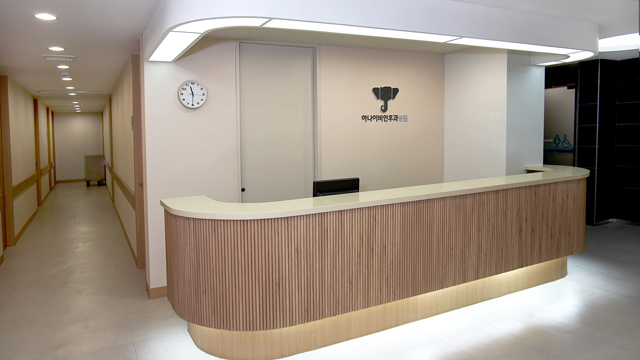
HANA ENT Hospital is Korea's first and Seoul's only ENT specialist hospital officially designated by the Ministry of Health and Welfare — independently verified standards renewed consecutively since 1995. The dedicated Neurology department — led by Dr. Young-ju Noh, trained at Asan Medical Center with academic credentials from Seoul National University and Ulsan University — provides specialist neurological epilepsy care within an integrated care environment also managing sleep disorders, stroke, cognitive impairment, and dizziness.
The integration of Neurology and Sleep Center within the same institution is particularly relevant for epilepsy management — enabling identification and treatment of OSA and insomnia as seizure-aggravating factors within the same coordinated specialist system. With over 3.15 million outpatient visits and dedicated Neurology and Sleep Centers, HANA ENT Hospital delivers the neurological depth and integrated oversight that long-term epilepsy management requires.
Key reasons to choose HANA ENT Hospital for epilepsy management:
- Dedicated neurologist — Asan Medical Center trained — precise seizure classification and individualized antiepileptic drug management
- Integrated Neurology + Sleep Center — sleep disorder identification and treatment as a seizure control strategy within the same system
- Structured long-term monitoring — seizure diary review, medication optimization, and EEG/imaging reassessment as needed
- Seoul's only Ministry-designated ENT specialist hospital — accredited specialist care, renewed consecutively since 1995
Patient Experiences: Epilepsy Assessment at HANA ENT Hospital
New-Onset Focal Seizure Patient, 40s
A patient in their mid-40s was referred following a witnessed seizure involving right arm jerking with preserved awareness lasting approximately 90 seconds. Neurological assessment characterized the event as a focal motor seizure. EEG review showed left hemisphere focal slowing; brain MRI was arranged and reviewed. An antiepileptic drug appropriate to the identified focal epilepsy pattern was initiated. Sleep assessment identified moderate OSA — a potential seizure trigger — and CPAP therapy was initiated concurrently. The patient remained seizure-free at six-month follow-up with good medication tolerance.
Established Epilepsy with Breakthrough Seizures, 30s
A patient in their early 30s with a ten-year history of generalized epilepsy presented with a recent increase in seizure frequency — three breakthrough seizures in two months — despite previously stable medication. Detailed seizure diary review and neurological assessment identified sleep deprivation from work schedule changes as the primary trigger. Sleep assessment confirmed co-existing insomnia. Insomnia management was initiated; the antiepileptic regimen was reviewed and adjusted. Seizure frequency returned to baseline at follow-up with improved sleep hygiene and medication optimization.
Epilepsy Requires Long-Term Specialist Neurological Care — Not Just Medication
Effective epilepsy management is not simply a prescription — it requires accurate seizure classification, individualized drug selection, structured monitoring, and integration of co-existing factors that influence seizure control. At HANA ENT Hospital — The First ENT Specialty Hospital in Korea, The Only ENT Specialty Hospital in Seoul — Dr. Young-ju Noh provides expert neurological epilepsy assessment and long-term management within an integrated specialist care system.
Book your consultation today. Neurological assessment, EEG and imaging review, medication management, and seizure control planning — all within a coordinated specialist system.
[Book Your Epilepsy Consultation at HANA ENT Hospital]
For appointment scheduling and international patient inquiries, contact our patient services desk directly.
Other Services
Explore additional treatments offered by our specialists.

Voice Disorders
The human voice is produced by the precise vibration of the vocal cords — two small but remarkably complex structures housed within the larynx.
Learn More

Respiratory Conditions
Respiratory conditions encompass a broad range of diseases affecting the lungs, bronchi, and airways.
Learn More

Cognitive Decline & Early Dementia
Cognitive decline refers to measurable reduction in memory, attention, language, executive function, or visuospatial ability.
Learn More