Korea's First ENT Specialty Hospital — Ministry-Designated Excellence in Seoul
4.9 Patient Satisfaction
en-US


· Needs Clinic Confirmation
Dizziness & Balance Disorders
Dizziness and vertigo are among the most common and distressing symptoms encountered in medical practice.
Schedule a ConsultationWhat Causes Dizziness? Why the Ear Is the First Place to Look
Dizziness and vertigo are among the most common and distressing symptoms encountered in medical practice — yet their cause is frequently misunderstood or inadequately investigated. A critical clinical fact: over 80% of dizziness cases have an ear-related cause. The inner ear houses not only the cochlea — responsible for hearing — but also the vestibular apparatus — the system of fluid-filled canals and otolith organs that detect head movement and maintain balance. When this system is disrupted, the result is dizziness, vertigo, or imbalance that can range from brief and positional to prolonged and incapacitating.
Common ear-related causes of dizziness include benign paroxysmal positional vertigo (BPPV) — the most frequent cause, caused by misplaced calcium crystals (otoliths) within the inner ear canals — vestibular neuritis, Meniere's disease, migraine-associated dizziness, sudden hearing loss, labyrinthitis, and acoustic neuroma. Each of these conditions has a distinct presentation, diagnostic profile, and treatment approach — making precise identification of the underlying cause the essential first step toward effective management.
At HANA ENT Hospital, dizziness is assessed using a comprehensive vestibular and audiological testing protocol — including video nystagmography, caloric testing, and dynamic posturography — with same-day testing and same-day treatment available for appropriate presentations such as BPPV.
Who Needs Dizziness Assessment?
Specialist ear-based dizziness evaluation is recommended when vertigo or balance disturbance is persistent, recurrent, or significantly affecting daily function. Seek assessment if you experience:
- Sudden episodes of severe spinning vertigo — particularly triggered by head position changes
- Persistent dizziness or unsteadiness lasting days without improvement
- Episodic vertigo accompanied by hearing change, tinnitus, or ear fullness — suggesting Meniere's disease
- Dizziness that developed alongside or following sudden hearing loss
- A sensation of being pulled to one side when walking, or difficulty maintaining balance
- Dizziness accompanied by nausea or vomiting
- Recurrent dizziness episodes that have not been formally assessed by a specialist
- Dizziness associated with headache — suggesting possible migraine-related vestibular disorder
- Patients in their 30s–70s experiencing unexplained dizziness or balance disturbance affecting daily life or work
[Schedule Your Dizziness Evaluation Today — Same-Day Testing Available]
Meet the Dizziness and Balance Disorder Specialists at HANA ENT Hospital
 |
 |
 |
|---|---|---|
| Dr. Chang Sun O M.D., Ph.D. | Dr. Jang JeongHun Bachelor of Medicine, Master of Medicine | Dr. Kim Jong Sei Assistant Professor, Ph.D. Coursework |
- Dr. Chang Sun O — Director, Ear Disease Center Ph.D., Seoul National University · Visiting Professor, Michigan State University & University of Lübeck, Germany · Former Chief, Dept. of Otolaryngology, Seoul National University Hospital · Former Director, Cochlear Implant Center, Seoul National University Hospital · President, Korean Audiological Society. Dr. Chang leads HANA ENT Hospital's Ear Disease Center with career-long expertise spanning the full spectrum of inner ear and vestibular disorders. His former role as Chief of Otolaryngology at Seoul National University Hospital and presidency of the Korean Audiological Society reflect the highest level of Korean academic authority in ear and vestibular disease — providing the clinical depth that complex dizziness assessment demands.
- Dr. Jang JeongHun — Director & ENT Specialist M.D., Master's & Ph.D., Seoul National University · Training, Pittsburgh Medical Center · Former Professor, Ajou University. Specialist in dizziness, Meniere's disease, tinnitus, sudden hearing loss, cochlear implants, and facial nerve conditions — with deep expertise in the inner ear conditions most frequently responsible for vertigo and balance disturbance.
- Dr. Kim Jong Sei — ENT Specialist Kyungpook National University · Clinical Instructor, Samsung Seoul Hospital · Former Assistant Professor, Eulji University Hospital & Catholic Kwandong University. Dedicated clinical focus on dizziness, tinnitus, Meniere's disease, endoscopic ear surgery, and hearing loss — bringing specialist vestibular expertise to every dizziness consultation at HANA ENT Hospital.
Shared philosophy: systematic vestibular and audiological assessment to identify the specific cause of dizziness before treatment; same-day treatment where clinically appropriate; individualized management matched to each patient's diagnosis and functional needs.
Dizziness Causes and Treatment Areas
- Benign paroxysmal positional vertigo (BPPV) — BPPV is the most common cause of episodic vertigo and results from calcium carbonate crystals (otoliths) becoming dislodged from their normal location and migrating into the semicircular canals of the inner ear. This causes brief but intense episodes of spinning vertigo triggered by specific head movements — such as rolling over in bed, looking upward, or bending forward. Diagnosis is made through a clinical positional test (Dix-Hallpike) that reproduces the characteristic nystagmus. Treatment is highly effective — the Epley canalith repositioning maneuver guides the displaced crystals back to their correct position, typically resolving BPPV in one to three treatment sessions. Same-day testing and treatment are available at HANA ENT Hospital for BPPV. Individual response and recurrence rate vary.
- Vestibular neuritis — Vestibular neuritis is inflammation of the vestibular nerve — most commonly following a viral illness — causing acute-onset severe continuous vertigo, nausea, and imbalance lasting days to weeks. Hearing is typically unaffected. Diagnosis is supported by caloric testing showing reduced vestibular function in the affected ear. Treatment includes vestibular suppressant medication for the acute phase and structured vestibular rehabilitation exercises to support central compensation as the acute episode resolves. Most patients achieve meaningful recovery of balance function over weeks to months. Individual recovery timelines vary.
- Migraine-associated dizziness — Vestibular migraine is an increasingly recognized cause of recurrent episodic vertigo — occurring with or without the headache typically associated with migraine. Episodes may last minutes to hours and are frequently accompanied by sensitivity to light or motion. Diagnosis requires careful clinical history to identify the migraine pattern and exclude other causes of episodic vertigo. Management involves migraine-specific preventive and acute treatment strategies. At HANA ENT Hospital, vestibular migraine assessment is integrated within the broader dizziness workup — ensuring it is not missed as an underlying cause of recurrent vertigo.
- Acute labyrinthitis and sudden hearing loss with vertigo — Labyrinthitis — inflammation of the entire inner ear including both the cochlear and vestibular components — causes acute vertigo accompanied by sudden hearing loss. Sudden hearing loss with associated vestibular symptoms is a medical urgency requiring prompt specialist assessment and treatment. Intratympanic or systemic steroid therapy is initiated urgently to maximize the potential for hearing recovery. Vestibular symptoms typically improve as the acute inflammation resolves. Prompt attendance at HANA ENT Hospital is strongly recommended for any sudden hearing loss — same-day assessment and treatment initiation are available.
Dizziness Diagnosis and Treatment Process
1. Clinical Consultation & Dizziness History: Detailed medical interview covering dizziness character (spinning vs. floating vs. unsteadiness), onset, duration, trigger factors, associated symptoms (hearing change, tinnitus, ear fullness, headache, nausea), and functional impact on daily life.
2. Hearing Assessment: Pure tone audiometry and tympanometry — identifying any associated hearing loss that provides important diagnostic information about the underlying cause of dizziness.
3. Vestibular Function Testing: Comprehensive objective vestibular assessment:
- Video nystagmography (VNG) — records eye movement patterns to assess vestibular pathway function and identify characteristic nystagmus patterns
- Caloric test — warm and cool water or air stimulation of each ear separately assesses the function of each horizontal semicircular canal independently
- Dynamic posturography — assesses overall balance system function and the relative contribution of visual, vestibular, and somatosensory inputs to balance
4. CT/MRI Imaging (Where Indicated): Arranged where central nervous system causes of dizziness, acoustic neuroma, or structural inner ear abnormalities require exclusion.
5. Same-Day Treatment (Where Indicated): For BPPV diagnosed during the consultation, canalith repositioning maneuver is performed the same day. For acute vestibular conditions requiring urgent medical treatment, treatment is initiated on the day of assessment.
6. Follow-Up and Vestibular Rehabilitation: Structured follow-up monitors treatment response and recovery of vestibular function. Vestibular rehabilitation exercises are prescribed where indicated to support central compensation and balance recovery.
Dizziness Treatment Results, Safety, and What to Expect
Dizziness treatment outcomes depend heavily on the underlying cause. BPPV — the most common cause — responds excellently to canalith repositioning, with most patients experiencing complete or near-complete resolution of positional vertigo within one to three treatment sessions. Vestibular neuritis typically resolves over weeks to months with appropriate management. Meniere's disease requires long-term management — with meaningful reduction in attack frequency achievable for many patients through dietary, medical, and procedural interventions. Sudden hearing loss with vestibular involvement requires urgent treatment — outcomes are strongly time-dependent.
At HANA ENT Hospital, same-day testing and same-day treatment availability means that patients with BPPV or acute vestibular conditions do not face unnecessary delays between assessment and the initiation of appropriate care — a critical advantage in conditions where prompt treatment influences outcome.
Why Choose HANA ENT Hospital for Dizziness Treatment?
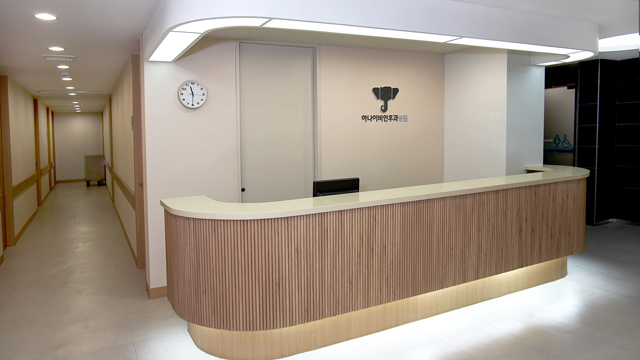
HANA ENT Hospital is Korea's first and Seoul's only ENT specialist hospital officially designated by the Ministry of Health and Welfare — independently verified standards renewed consecutively since 1995. The Ear Disease Center is led by Dr. Chang Sun O — former Chief of Otolaryngology at Seoul National University Hospital and President of the Korean Audiological Society — with Dr. Kim Jong Sei bringing dedicated specialist focus on dizziness and vestibular disorders to the team.
The hospital's comprehensive vestibular testing suite — video nystagmography, caloric testing, and dynamic posturography — combined with dedicated on-site audiologist support and same-day testing and treatment capability, provides a dizziness assessment environment that few ENT facilities can match. With over 3.15 million outpatient visits and a specialist team trained at Korea's leading academic medical centers, HANA ENT Hospital delivers the diagnostic depth and treatment efficiency that dizziness patients require.
Key reasons to choose HANA ENT Hospital for dizziness treatment:
- Same-day testing and same-day treatment — no unnecessary delays between assessment and care initiation
- Comprehensive vestibular testing — video nystagmography, caloric testing, and dynamic posturography for objective cause identification
- Dedicated on-site audiologist — integrated hearing and vestibular assessment within a single specialist visit
- Seoul's only Ministry-designated ENT specialist hospital — accredited ear specialist care, renewed consecutively since 1995
Patient Experiences: Dizziness Treatment at HANA ENT Hospital
BPPV Patient, 50s
A patient in their mid-50s presented with sudden onset of intense spinning vertigo triggered by rolling over in bed — occurring for three days and significantly disrupting sleep and daily activities. Video nystagmography confirmed BPPV with characteristic positional nystagmus. Canalith repositioning maneuver was performed on the same day as assessment. The patient reported complete resolution of positional vertigo following the procedure and confirmed no recurrence at follow-up.
Vestibular Neuritis Patient, 40s
A patient in their early 40s presented with acute onset severe continuous vertigo, nausea, and imbalance developing over 24 hours following a viral illness. Caloric testing confirmed significantly reduced vestibular function in one ear consistent with vestibular neuritis. Acute medical management was initiated the same day; vestibular rehabilitation exercises were prescribed. The patient reported progressive improvement in balance and reduction in dizziness over the following three to four weeks of follow-up.
Dizziness That Disrupts Your Life Deserves Same-Day Expert Assessment
Dizziness, vertigo, and balance disturbance are not symptoms to tolerate without investigation — and with over 80% of cases having an identifiable ear-related cause, an ENT specialist is the right first point of contact. At HANA ENT Hospital — The First ENT Specialty Hospital in Korea, The Only ENT Specialty Hospital in Seoul — same-day vestibular testing and same-day treatment are available, so you leave your appointment with answers and a clear path to recovery.
Book your consultation today. Vestibular testing, hearing assessment, and treatment — often all within a single visit.
[Book Your Dizziness Consultation at HANA ENT Hospital]
For appointment scheduling and international patient inquiries, contact our patient services desk directly.
Other Services
Explore additional treatments offered by our specialists.

Voice Disorders
The human voice is produced by the precise vibration of the vocal cords — two small but remarkably complex structures housed within the larynx.
Learn More

Respiratory Conditions
Respiratory conditions encompass a broad range of diseases affecting the lungs, bronchi, and airways.
Learn More

Cognitive Decline & Early Dementia
Cognitive decline refers to measurable reduction in memory, attention, language, executive function, or visuospatial ability.
Learn More