Korea's First ENT Specialty Hospital — Ministry-Designated Excellence in Seoul
4.9 Patient Satisfaction
en-US


· Needs Clinic Confirmation
Abnormal Sleep Movements
Abnormal movements during sleep — ranging from repetitive leg jerking and restless limb sensations to complex behaviors enacted during dreaming.
Schedule a ConsultationWhat Are Abnormal Sleep Movements? Understanding Movement Disorders During Sleep
Abnormal movements during sleep — ranging from repetitive leg jerking and restless limb sensations to complex behaviors enacted during dreaming — are a recognized category of sleep disorders that significantly disrupt sleep quality, cause physical injury risk, and in some cases signal underlying neurological conditions requiring medical attention.
Unlike obstructive sleep apnea, which disrupts sleep through breathing events, sleep movement disorders disrupt sleep through abnormal motor activity — movements that the sleeping person is typically unaware of, but which produce fragmented, unrestorative sleep and cause concern for sleeping partners or family members who observe them. The range of conditions is broad and clinically distinct: periodic limb movement disorder (PLMD) involves repetitive involuntary leg movements during sleep; restless legs syndrome (RLS) causes irresistible urges to move the legs — particularly at rest before sleep; REM sleep behavior disorder (RBD) involves acting out vivid dream content with potentially vigorous movements; and parasomnias encompass sleepwalking, sleep terrors, and other complex nocturnal behaviors.
Accurate diagnosis is essential — because these conditions have different causes, different neurological implications, and different treatment approaches. At HANA ENT Hospital, abnormal sleep movements are assessed by a dedicated neurologist with specialized sleep medicine training, supported by polysomnography with detailed limb movement monitoring, within the hospital's integrated Sleep Center and Neurology department.
Who Needs Assessment for Abnormal Sleep Movements?
Specialist evaluation is recommended when abnormal movements during sleep are frequent, disruptive, or causing concern. Seek assessment if you or a partner observes:
- Repetitive leg jerking or kicking during sleep — occurring in regular cycles throughout the night
- An irresistible urge to move the legs — particularly in the evening or when resting — that is relieved by movement
- Acting out dream content during sleep — talking, shouting, punching, kicking, or falling out of bed while apparently asleep
- Sleepwalking or performing complex behaviors during sleep without conscious awareness
- Sleep terrors — sudden arousal from sleep with screaming or apparent fear, with limited or no recall the following morning
- Teeth grinding or clenching during sleep (sleep bruxism) causing dental wear or jaw pain on waking
- Waking with leg cramps or painful limb sensations that disrupt sleep
- Consistently unrefreshed sleep despite adequate hours, where a sleeping partner reports frequent movements
- Patients with a known neurological condition — Parkinson's disease, multiple system atrophy — in whom REM sleep behavior disorder may be an associated finding requiring assessment
[Schedule Your Sleep Movement Evaluation Today]
Meet the Abnormal Sleep Movement Specialists at HANA ENT Hospital
 |
 |
 |
 |
|---|---|---|---|
| Dr. Young-ju Noh M.D., Master's & Ph.D. | Dr. Hyung Ro Chu Sleep Center Director | Dr. Jong In Jeong Master of Medicine | Dr. Byung Kil Kim Bachelor's Degree, Master's Degree |
- Dr. Young-ju Noh —Neurologist, Neurology / Snoring Clinic M.D., Seoul National University College of Medicine · Master's & Ph.D., Ulsan University College of Medicine · Resident & Fellow, Dept. of Neurology, Asan Medical Center. Dr. Noh is HANA ENT Hospital's dedicated neurologist and the primary specialist for assessment and management of sleep movement disorders. Her residency and fellowship in Neurology at Asan Medical Center — one of Korea's most respected and highest-volume academic medical institutions — combined with her M.D. from Seoul National University College of Medicine and doctoral credentials from Ulsan University, provide the neurological sleep medicine depth that accurate sleep movement disorder assessment requires. Her clinical expertise encompasses sleep apnea, insomnia, abnormal movements during sleep, epilepsy, stroke, and cognitive impairment — ensuring that sleep movement disorders are assessed within the full neurological context, and that conditions with neurological significance — such as REM sleep behavior disorder as a potential early marker of neurodegenerative disease — are identified and managed appropriately.
- Dr. Hyung Ro Chu — Director, Throat & Voice / Sleep Center Research Instructor, Head and Neck Surgery, UCSD, USA · Professor, Hallym University College of Medicine · Lecturer, Korea University College of Medicine. Sleep Center director providing integrated oversight — ensuring that abnormal sleep movements are assessed alongside OSA and other sleep-disordered breathing conditions that may co-exist and require concurrent management.
- Dr. Jong In Jeong — Medical Director & Chief of Medical Services Master of Medicine, Sungkyunkwan University · Trained at Samsung Seoul Hospital & Keimyung University Dongsan Hospital · Former Assistant Professor, Keimyung University Dongsan Hospital. Sleep apnea and upper airway specialist supporting the integrated Sleep Center team.
- Dr. Byung Kil Kim — ENT Specialist B.Med. & M.Sc., Sungkyunkwan University · Clinical Instructor, Samsung Seoul Hospital · Former Clinical Professor, Chilgok Kyungpook National University Hospital. Sleep apnea and ENT expertise supporting multi-condition sleep assessment.
The ENT and neurology combination is a clinical advantage: many patients with sleep movement disorders also have co-existing OSA or other sleep conditions — and HANA ENT Hospital's integrated team assesses the full sleep picture within a single specialist system.
Abnormal Sleep Movement Conditions and Treatment Areas
- Periodic limb movement disorder (PLMD) — PLMD involves repetitive involuntary movements of the legs — and sometimes arms — during sleep, occurring in cycles of 20 to 40 seconds. Movements are typically brief leg jerks or extensions that the sleeping person does not wake from fully but which cause partial arousal, disrupting sleep architecture and producing unrefreshed sleep. PLMD is assessed through polysomnography with detailed limb movement monitoring — quantifying the periodic limb movement index (PLMI) and its associated arousal frequency. Management is individualized based on severity and associated conditions; dopaminergic medications and other pharmacological approaches may be considered where PLMD is significantly disrupting sleep. Individual response varies.
- Restless legs syndrome (RLS) — RLS is a neurological sensorimotor condition characterized by an irresistible urge to move the legs — typically accompanied by uncomfortable sensations described as crawling, creeping, pulling, or itching — that is worse at rest and in the evening, and relieved by movement. RLS significantly delays sleep onset and causes frequent nocturnal waking, producing chronic sleep deprivation. It may be idiopathic or associated with iron deficiency, pregnancy, kidney disease, or other conditions. Assessment includes neurological examination, blood tests for secondary causes, and clinical diagnosis based on the characteristic symptom pattern. Treatment is individualized — addressing secondary causes where identified, and pharmacological management for primary RLS where symptom burden warrants it.
- REM sleep behavior disorder (RBD) — RBD is a parasomnia in which the normal muscle paralysis (atonia) that characterizes REM sleep is absent — allowing dream content to be physically enacted. Affected individuals may talk, shout, laugh, or perform vigorous movements — punching, kicking, or jumping out of bed — during REM sleep, often in the context of vivid, action-filled dreams. RBD carries significant neurological importance: it is a recognized early marker of synucleinopathy neurodegenerative diseases — including Parkinson's disease, Lewy body dementia, and multiple system atrophy — and its identification should prompt neurological assessment for these conditions. Polysomnography with video monitoring confirms the diagnosis. Management includes environmental safety measures and medication to suppress REM-related motor activity. At HANA ENT Hospital, RBD is assessed by Dr. Young-ju Noh — whose neurological expertise in neurodegenerative conditions ensures appropriate clinical context and follow-up.
- Parasomnias — sleepwalking and sleep terrors — Parasomnias are complex behaviors arising from non-REM sleep — including sleepwalking (somnambulism), sleep terrors (night terrors), and confusional arousals. These typically arise from slow-wave sleep in the first half of the night and involve varying degrees of motor activity without conscious awareness. Most parasomnias are benign and self-limiting — but frequent, vigorous, or injurious episodes warrant specialist assessment to characterize severity, identify contributing factors (sleep deprivation, medication, OSA), and determine whether pharmacological management is indicated. Safety guidance is an essential component of management regardless of pharmacological approach.
Assessment and Treatment Process
1. Clinical Consultation & Sleep Movement History: Detailed history covering the nature, frequency, and pattern of abnormal movements; bed partner or family observations; associated symptoms — leg sensations, dream content, confusion on waking; and relevant medical and neurological history. Video recordings of observed episodes are particularly valuable where available.
2. Neurological Assessment: Clinical neurological examination by Dr. Young-ju Noh — assessing for neurological signs relevant to the suspected movement disorder and any associated conditions. Relevant blood tests ordered where secondary causes are suspected (iron studies for RLS, etc.).
3. Polysomnography with Movement Monitoring: Overnight sleep study with dedicated limb movement monitoring — recording periodic limb movements, associated arousals, and sleep architecture. Video polysomnography with behavioral monitoring is arranged where complex nocturnal behaviors or RBD are suspected.
4. Integrated Sleep Assessment: Where co-existing OSA or other sleep-disordered breathing is suspected alongside the movement disorder — a common clinical scenario — integrated assessment within HANA ENT Hospital's Sleep Center evaluates both conditions simultaneously, ensuring the full sleep picture informs treatment planning.
5. Individualized Management Plan: Based on the specific condition, severity, and associated factors:
- PLMD — dopaminergic or other pharmacological management where indicated; sleep hygiene optimization
- RLS — secondary cause identification and treatment; pharmacological management for primary RLS
- RBD — environmental safety measures; medication to suppress REM motor activity; neurological follow-up
- Parasomnias — contributing factor management; safety guidance; medication where indicated
6. Long-Term Monitoring: Regular follow-up monitors treatment response and symptom evolution — particularly important for RBD given its neurological significance. Treatment adjusted as condition course develops.
Treatment Results, Safety, and Realistic Expectations
Sleep movement disorder treatment outcomes depend on the specific condition and its underlying cause. PLMD and RLS typically respond well to appropriate pharmacological management — with meaningful improvement in sleep quality achievable for most patients. RLS with identified secondary causes (iron deficiency, for example) may show significant improvement when the underlying cause is corrected. RBD management focuses on safety and symptom control rather than cure — the underlying mechanism is not reversible with currently available treatments, and neurological monitoring for associated neurodegenerative conditions is an ongoing component of care.
Parasomnias frequently improve with addressing contributing factors — sleep deprivation, alcohol, OSA — and may not require pharmacological intervention in milder presentations. Safety guidance is provided regardless of pharmacological approach to minimize injury risk during episodes.
Why Choose HANA ENT Hospital for Abnormal Sleep Movement Treatment?
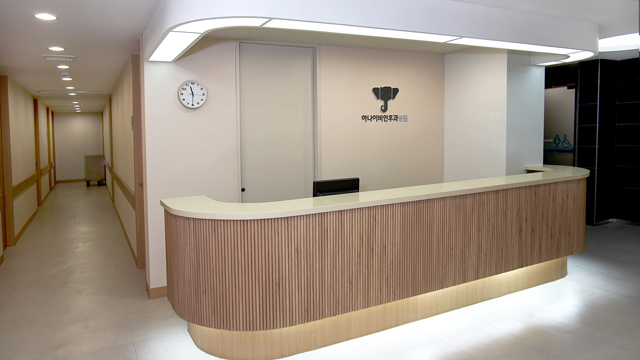
HANA ENT Hospital is Korea's first and Seoul's only ENT specialist hospital officially designated by the Ministry of Health and Welfare — independently verified standards renewed consecutively since 1995. The dedicated Neurology department — led by Dr. Young-ju Noh, trained at Asan Medical Center and holding academic credentials from Seoul National University and Ulsan University — provides specialist neurological sleep medicine expertise within an ENT specialist hospital environment. This combination is particularly valuable for sleep movement disorders, which frequently co-exist with OSA and other ENT sleep conditions requiring concurrent assessment and management.
The hospital's integrated Sleep Center and Neurology department enables comprehensive assessment of the full spectrum of sleep disorders within the same specialist system — without the multi-clinic referral journey that complex sleep movement disorder assessment typically requires elsewhere.
Key reasons to choose HANA ENT Hospital for abnormal sleep movement treatment:
- Dedicated neurologist — Asan Medical Center trained — Dr. Young-ju Noh's neurological sleep medicine expertise for precise sleep movement disorder assessment and management
- Integrated ENT + Neurology sleep team — combined assessment of sleep movements and co-existing OSA within the same system
- Polysomnography with movement and video monitoring — objective characterization of abnormal sleep movements
- Seoul's only Ministry-designated ENT specialist hospital — accredited specialist care, renewed consecutively since 1995
Patient Experiences: Abnormal Sleep Movement Treatment at HANA ENT Hospital
Restless Legs Syndrome Patient, 50s
A patient in their mid-50s presented with an irresistible urge to move their legs every evening — causing significant delay in sleep onset and frequent nocturnal waking over an eighteen-month period. Neurological assessment by Dr. Young-ju Noh identified iron deficiency as a secondary contributing factor. Iron supplementation was initiated alongside targeted pharmacological management. The patient reported meaningful improvement in evening leg symptoms and sleep onset within two months of treatment.
REM Sleep Behavior Disorder Patient, 60s
A patient in their early 60s was brought for assessment by their spouse following several months of vigorous sleep movements — shouting and arm movements during apparent dreaming — on several nights per week. Video polysomnography confirmed REM sleep behavior disorder. Dr. Young-ju Noh initiated appropriate medical management and neurological follow-up protocol given the known association between RBD and neurodegenerative conditions. Environmental safety modifications were implemented and the patient received a clear explanation of the diagnosis and monitoring plan.
Abnormal Sleep Movements Deserve Specialist Neurological Assessment
Movements during sleep — from repetitive leg jerking to acting out dream content — are not simply quirks of sleep. They are recognizable medical conditions with established treatments, and in some cases carry neurological significance that warrants timely specialist evaluation. At HANA ENT Hospital — The First ENT Specialty Hospital in Korea, The Only ENT Specialty Hospital in Seoul — Dr. Young-ju Noh and the integrated Sleep Center team provide expert neurological sleep movement assessment and individualized care.
Book your consultation today. Neurological assessment, polysomnography, and treatment planning — all within a coordinated specialist system.
[Book Your Sleep Movement Consultation at HANA ENT Hospital]
For appointment scheduling and international patient inquiries, contact our patient services desk directly.
Other Services
Explore additional treatments offered by our specialists.

Voice Disorders
The human voice is produced by the precise vibration of the vocal cords — two small but remarkably complex structures housed within the larynx.
Learn More

Respiratory Conditions
Respiratory conditions encompass a broad range of diseases affecting the lungs, bronchi, and airways.
Learn More

Cognitive Decline & Early Dementia
Cognitive decline refers to measurable reduction in memory, attention, language, executive function, or visuospatial ability.
Learn More