Korea's First ENT Specialty Hospital — Ministry-Designated Excellence in Seoul
4.9 Patient Satisfaction
en-US


· Needs Clinic Confirmation
Hearing Aids
A hearing aid is a small electronic device worn in or behind the ear that amplifies and processes sound.
Schedule a ConsultationWhat Is a Hearing Aid? Understanding When and How Hearing Aids Help
A hearing aid is a small electronic device worn in or behind the ear that amplifies and processes sound — making speech and environmental sounds clearer and more accessible for individuals with hearing loss. When fitted accurately and adapted systematically, a hearing aid can significantly improve communication ability, reduce listening fatigue, and restore meaningful participation in daily conversations, work, and social life.
Hearing aids are not a one-size-fits-all solution. The type of hearing aid, its acoustic prescription, and the fitting approach must be precisely matched to each individual's audiological profile — the specific pattern, degree, and type of their hearing loss — as well as their lifestyle, communication needs, and ear anatomy. A poorly fitted hearing aid, or one selected without adequate audiological assessment, will not deliver the benefit that a well-prescribed device can provide. This is why the context in which a hearing aid is fitted matters as much as the device itself.
At HANA ENT Hospital, hearing aids are prescribed and fitted through a dedicated in-clinic hearing aid center — staffed simultaneously by an ENT specialist, a dedicated audiologist, and a hearing aid expert — providing a level of integrated professional oversight that standalone hearing aid retailers or general clinics cannot replicate. Hearing aid membership registration ensures ongoing, systematic management and after-care service for every patient fitted at the clinic.
Who Needs a Hearing Aid Assessment?
A hearing aid evaluation is recommended whenever hearing difficulty is affecting communication, daily life, or quality of life. Consider assessment if you experience:
- Difficulty following conversations — particularly in noisy environments, on the telephone, or when not facing the speaker
- Frequently asking others to repeat themselves or misunderstanding spoken words
- Turning up the television or radio volume significantly higher than others prefer
- Difficulty following speech in group settings — meetings, restaurants, family gatherings
- Fatigue from the effort of listening — particularly by the end of the day
- Avoiding social situations because of difficulty hearing
- Gradual hearing loss confirmed by a previous hearing test that has not yet been addressed with hearing rehabilitation
- A confirmed diagnosis of mild to severe sensorineural or conductive hearing loss for which amplification has been recommended
- Patients in their 50s–80s with age-related hearing loss affecting communication and social engagement
[Schedule Your Hearing Aid Evaluation Today]
Meet the Hearing Aid and Ear Specialists at HANA ENT Hospital
 |
 |
 |
|---|---|---|
| Dr. Chang Sun O M.D., Ph.D. | Dr. Jang JeongHun Bachelor of Medicine, Master of Medicine | Dr. Kim Jong Sei Assistant Professor, Ph.D. Coursework |
- Dr. Chang Sun O — Director, Ear Disease Center Ph.D., Seoul National University · Visiting Professor, Michigan State University & University of Lübeck, Germany · Former Chief, Dept. of Otolaryngology, Seoul National University Hospital · Former Director, Cochlear Implant Center, Seoul National University Hospital · President, Korean Audiological Society. Dr. Chang leads HANA ENT Hospital's Ear Disease Center and hearing rehabilitation programs — including the in-clinic hearing aid center — with career-long expertise in hearing science, audiological rehabilitation, and hearing device management. As President of the Korean Audiological Society and former Director of the Cochlear Implant Center at Seoul National University Hospital, Dr. Chang brings the highest level of Korean academic authority in hearing science to the oversight of every hearing aid assessment and fitting at HANA ENT Hospital.
- Dr. Jang JeongHun — Director & ENT Specialist M.D., Master's & Ph.D., Seoul National University · Training, Pittsburgh Medical Center · Cochlear Implant Training — Sydney, Innsbruck, Piacenza, Valencia · Former Professor, Ajou University. Deep expertise in hearing loss, cochlear implants, and hearing rehabilitation — ensuring that every patient presenting for hearing aid assessment is evaluated within the full context of their ear and hearing condition.
- Dr. Kim Jong Sei— ENT Specialist Kyungpook National University · Clinical Instructor, Samsung Seoul Hospital · Former Assistant Professor, Eulji University Hospital & Catholic Kwandong University. Specialist in hearing loss, hearing aids, tinnitus, and ear disease — providing dedicated clinical expertise in hearing rehabilitation and hearing aid management within the HANA ENT Hospital Ear Disease Center.
The in-clinic hearing aid center operates with ENT specialist, audiologist, and hearing aid expert simultaneously present — ensuring that every hearing aid prescription is backed by accurate audiological assessment, medical oversight of ear health, and expert knowledge of device characteristics and fitting technique.
Hearing Aid Types and What to Expect
- In-the-ear hearing aids (ITE/ITC) — In-the-ear and in-the-canal hearing aids sit within the bowl of the ear or inside the ear canal — offering a less visible profile than behind-the-ear devices. They are custom-molded to the individual's ear anatomy and are suitable for mild to moderately severe hearing loss. Their smaller size means they are typically more discreet; however, they require good manual dexterity for handling and cleaning, and may be less suitable for patients with significant dexterity limitations. At HANA ENT Hospital, in-the-ear device selection is made based on audiological prescription, ear anatomy, and individual lifestyle considerations.
- Behind-the-ear hearing aids (BTE / Open-fit / CROS) — Behind-the-ear hearing aids sit behind the outer ear with a thin tube or receiver directing amplified sound into the ear canal. The open-fit variant uses a small dome rather than a custom ear mold — making it particularly comfortable and less occluding for patients with hearing loss primarily in the high frequencies. CROS (contralateral routing of signal) hearing aids are a specialized type for patients with single-sided deafness — transmitting sound from the non-hearing ear to the better-hearing ear. BTE devices accommodate a wider range of hearing loss severity than in-the-ear types and are generally more straightforward to handle and maintain.
- Adaptation protocol — Successful hearing aid use requires a structured adaptation period — the auditory system needs time to adjust to amplified sound, particularly for patients who have lived with untreated hearing loss for an extended period. At HANA ENT Hospital, adaptation follows a systematic protocol: hearing aid output is increased incrementally every two weeks as wearing time is extended. Patients begin wearing the device in familiar, quiet environments before progressively introducing more challenging listening situations — reducing volume in noisy settings, limiting group conversation to two to three people initially, and maintaining approximately two metres from television or other sound-producing devices. This graduated approach maximizes comfort and long-term acceptance.
- Care and maintenance guidance — Hearing aids are precision electronic devices that require regular care to maintain performance. HANA ENT Hospital provides all patients with comprehensive maintenance guidance: protecting the device from moisture and extreme temperature; leaving the battery door open overnight or using a desiccant to prevent moisture damage; keeping the ear canal clean to prevent earwax blocking the hearing aid inlet; and avoiding exposure to cosmetics or spray products near the device. Membership registration at HANA ENT Hospital's hearing aid clinic ensures systematic access to ongoing adjustments, cleaning, and after-care service throughout the patient's hearing rehabilitation journey.
Hearing Aid Fitting Process and Timeline
1. Audiological Assessment: Comprehensive hearing evaluation — pure tone audiometry, speech audiometry, and tympanometry — conducted by the on-site audiologist. Results characterize the degree, type, and pattern of hearing loss that forms the basis of the hearing aid prescription.
2. ENT Medical Assessment: The ENT specialist reviews the audiological findings alongside the patient's ear health — confirming that any underlying ear conditions have been appropriately addressed and that hearing aid fitting is the correct rehabilitation approach at this stage. Medical contraindications to fitting are identified and managed before proceeding.
3. Hearing Aid Selection: The hearing aid expert works with the audiologist and the patient to select the most appropriate hearing aid type, style, and technology level — based on the audiological prescription, ear anatomy, lifestyle needs, communication goals, and budget considerations. Government hearing aid subsidy eligibility is reviewed at this stage.
4. Fitting and Initial Programming: The selected hearing aid is fitted and programmed to the individual's audiological prescription. Real-ear measurement or equivalent verification confirms that the prescribed amplification targets are being met. Initial wearing guidance and adaptation protocol instructions are provided.
5. Adaptation Follow-Up Appointments: Follow-up appointments every two weeks during the adaptation period — adjusting hearing aid output progressively as wearing time increases and listening environments become more challenging. Fine-tuning of programming based on the patient's real-world listening experience.
6. Membership Registration and Long-Term Management: Hearing aid membership registration enables efficient ongoing management — scheduled audiological reviews, device cleaning and maintenance, programming adjustments as hearing changes over time, and after-care service for device issues.
Hearing Aid Outcomes, Safety, and Realistic Expectations
Well-fitted hearing aids, prescribed on the basis of accurate audiological assessment and adapted systematically, consistently deliver meaningful improvement in speech understanding and communication ability for patients with mild to severe hearing loss. The degree of benefit depends on the type and degree of hearing loss, the accuracy of the fitting, the patient's motivation during the adaptation period, and the complexity of the listening environments encountered in daily life.
Patients should approach hearing aid fitting with realistic expectations — adaptation takes time, and the first few weeks often involve adjustment as the auditory system recalibrates to amplified sound. Systematic follow-up and progressive adaptation are essential components of a successful outcome. At HANA ENT Hospital, the integrated presence of ENT specialist, audiologist, and hearing aid expert throughout the fitting and adaptation process ensures that every adjustment decision is informed by the full clinical picture — maximizing the likelihood of a successful long-term hearing rehabilitation outcome.
Why Choose HANA ENT Hospital for Hearing Aid Fitting?
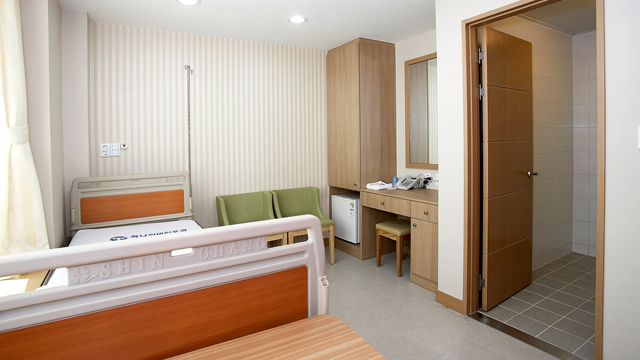
HANA ENT Hospital is Korea's first and Seoul's only ENT specialist hospital officially designated by the Ministry of Health and Welfare — independently verified standards renewed consecutively since 1995. The in-clinic hearing aid center is operated within a dedicated ENT specialist hospital environment — staffed by ENT specialist, audiologist, and hearing aid expert simultaneously — providing an integrated professional oversight model that standalone hearing aid retailers cannot replicate. This means every hearing aid prescription at HANA ENT Hospital is made within the full context of the patient's ear health and hearing condition — not in isolation.
Dr. Chang Sun O's presidency of the Korean Audiological Society and former directorship of the Seoul National University Hospital Cochlear Implant Center ensure that the hearing rehabilitation program at HANA ENT Hospital is grounded in the highest level of Korean academic expertise in hearing science. Membership registration provides patients with systematic, long-term access to device management and after-care service within the same specialist system.
Key reasons to choose HANA ENT Hospital for hearing aids:
- ENT specialist + audiologist + hearing aid expert all on-site — integrated professional oversight that standalone retailers cannot provide
- President, Korean Audiological Society — Korea's foremost academic authority in hearing science overseeing rehabilitation
- Membership registration system — efficient ongoing management, programming adjustments, and after-care service
- Seoul's only Ministry-designated ENT specialist hospital — medical-grade hearing rehabilitation within an accredited specialist hospital environment
Patient Experiences: Hearing Aid Fitting at HANA ENT Hospital
Age-Related Hearing Loss Patient, 60s
A patient in their early 60s presented with progressive difficulty following conversations in noisy environments — particularly at family gatherings and in restaurants — over approximately three years. Audiological assessment confirmed bilateral mild-to-moderate high-frequency sensorineural hearing loss consistent with age-related change. Open-fit behind-the-ear hearing aids were prescribed and fitted to the individual audiological prescription. Following the structured adaptation protocol, the patient reported meaningful improvement in speech understanding in both quiet and noisy environments at the two-month follow-up review.
Single-Sided Hearing Loss Patient, 50s
A patient in their mid-50s with confirmed single-sided deafness — following sudden hearing loss in one ear several years prior — presented reporting significant difficulty following conversations when sound came from the affected side. CROS hearing aid fitting was arranged following audiological assessment confirming no serviceable hearing in the affected ear. The patient reported improved awareness of sounds from the affected side and reduced listening effort in daily communication during follow-up.
Better Hearing Starts with the Right Assessment and the Right Team
Hearing aids fitted accurately — on the basis of precise audiological testing, by a team combining medical, audiological, and device expertise — deliver far better outcomes than devices selected without specialist input. At HANA ENT Hospital — The First ENT Specialty Hospital in Korea, The Only ENT Specialty Hospital in Seoul — our integrated in-clinic hearing aid center provides exactly that standard of care, from initial assessment through to long-term membership-based after-care.
Book your consultation today. Audiological assessment, hearing aid selection, and fitting — all within a single specialist visit.
[Book Your Hearing Aid Consultation at HANA ENT Hospital]
For appointment scheduling, government subsidy eligibility enquiries, and international patient inquiries, contact our patient services desk directly.
Other Services
Explore additional treatments offered by our specialists.

Voice Disorders
The human voice is produced by the precise vibration of the vocal cords — two small but remarkably complex structures housed within the larynx.
Learn More

Respiratory Conditions
Respiratory conditions encompass a broad range of diseases affecting the lungs, bronchi, and airways.
Learn More

Cognitive Decline & Early Dementia
Cognitive decline refers to measurable reduction in memory, attention, language, executive function, or visuospatial ability.
Learn More