Korea's First ENT Specialty Hospital — Ministry-Designated Excellence in Seoul
4.9 Patient Satisfaction
en-US


· Needs Clinic Confirmation
Facial Palsy
Facial palsy — weakness or paralysis of the muscles on one side of the face.
Schedule a ConsultationWhat Is Facial Palsy? Understanding Sudden Facial Weakness
Facial palsy — weakness or paralysis of the muscles on one side of the face — occurs when the facial nerve (cranial nerve VII) is damaged or disrupted along its course from the brain, through the temporal bone of the ear, to the face. The result is characteristic weakness affecting eye closure, brow elevation, and the ability to smile or move the corner of the mouth on the affected side.
Facial palsy is fundamentally an ENT condition — because the facial nerve runs through the temporal bone, passing through the middle ear and mastoid. The most common cause is Bell's palsy — viral inflammatory swelling of the nerve within its bony canal. Other important causes include Ramsay Hunt syndrome (herpes zoster reactivation with ear rash and hearing symptoms), otitis media, trauma, and tumors.
Facial palsy is time-sensitive. High-dose corticosteroids initiated within 72 hours of onset significantly improve recovery outcomes. Same-day specialist assessment is strongly recommended for any acute facial weakness.
Who Needs Facial Palsy Assessment?
Seek same-day assessment if you notice:
- Sudden drooping or weakness on one side of the face
- Inability to close one eye fully — urgent attention needed to protect the cornea
- Painful ear rash or blistering alongside facial weakness — suggesting Ramsay Hunt syndrome
- Facial weakness accompanying ear pain, discharge, or known ear infection
- Facial weakness following head trauma or surgery near the ear or parotid gland
- Gradual or progressive facial weakness — requires imaging to exclude structural cause
- Any unexplained facial asymmetry or weakness appearing without explanation
[Contact HANA ENT Hospital Today for Urgent Assessment]
Meet the Facial Palsy and Ear Specialists at HANA ENT Hospital
 |
 |
 |
|---|---|---|
| Dr. Chang Sun O M.D., Ph.D. | Dr. Jang JeongHun Bachelor of Medicine, Master of Medicine | Dr. Kim Jong Sei Assistant Professor, Ph.D. Coursework |
- Dr. Chang Sun O— Director, Ear Disease Center Ph.D., Seoul National University · Visiting Professor, Michigan State University & University of Lübeck, Germany · Former Chief, Dept. of Otolaryngology, Seoul National University Hospital · Former Director, Cochlear Implant Center, Seoul National University Hospital · President, Korean Audiological Society. Dr. Chang leads HANA ENT Hospital's Ear Disease Center with career-long expertise in temporal bone disease and facial nerve anatomy — the anatomical foundation for facial nerve assessment and management. His former role as Chief of Otolaryngology at Seoul National University Hospital provides the clinical depth essential for complex facial palsy presentations.
- Dr. Jang JeongHun — Director & ENT Specialist M.D., Master's & Ph.D., Seoul National University · Temporal Bone Anatomy Training, Seoul National University Hospital · Training, Pittsburgh Medical Center · Former Professor, Ajou University. Clinical expertise in facial nerve palsy alongside cochlear implants, hearing loss, tinnitus, and Meniere's disease — with dedicated temporal bone surgical training at Seoul National University Hospital.
- Dr. Kim Jong Sei — ENT Specialist Kyungpook National University · Clinical Instructor, Samsung Seoul Hospital · Former Assistant Professor, Eulji University Hospital & Catholic Kwandong University. Specialist in facial nerve palsy, dizziness, tinnitus, Meniere's disease, and ear surgery — providing dedicated ear-based facial nerve expertise.
Shared philosophy: urgent assessment and early treatment for acute facial palsy; systematic electrophysiological monitoring; surgery only when clearly indicated; honest communication about realistic recovery expectations throughout.
Facial Palsy Causes and Treatment Areas
- Bell's palsy — The most common cause of acute facial palsy — believed to result from viral inflammation causing facial nerve swelling within the temporal bone canal. High-dose oral corticosteroids initiated urgently within 72 hours are the primary treatment, with antivirals frequently added. The majority of Bell's palsy patients achieve meaningful recovery with prompt treatment — though completeness of recovery varies. Delay in treatment is the primary modifiable factor affecting outcome — making same-day assessment and treatment initiation critical.
- Ramsay Hunt syndrome — Caused by varicella-zoster virus reactivation — producing facial palsy alongside painful ear blistering and hearing symptoms (tinnitus, hearing loss, dizziness). Generally more severe than Bell's palsy and requiring urgent combined corticosteroid and antiviral treatment. Recovery rates are somewhat lower — reinforcing the urgency of early identification and treatment. Recognized and treated urgently within HANA ENT Hospital's integrated Ear Disease Center.
- Otitis media-related facial palsy — Middle ear infection or cholesteatoma can compress or erode the facial nerve canal, causing facial palsy alongside ear disease. Requires urgent treatment of the underlying infection — with surgical drainage or mastoidectomy where medical management is insufficient. HANA ENT Hospital's integrated ear specialist system manages the underlying ear condition and facial nerve involvement simultaneously.
- Traumatic and progressive facial palsy — Facial nerve injury from trauma or temporal bone fracture requires urgent electrophysiological assessment — EMG and ENoG — to quantify nerve degeneration and guide the decision between conservative management and surgical decompression. Progressive facial weakness developing gradually — rather than acutely — requires urgent MRI to exclude a structural or malignant cause.
Facial Palsy Diagnosis and Treatment Process
1. Urgent Clinical Assessment: House-Brackmann facial nerve grading confirming weakness severity and pattern. Ear examination identifying rash, discharge, or otitis media. History of onset, progression, associated symptoms, and risk factors.
2. Electrophysiological Testing: Electroneuronography (ENoG) measures the degree of nerve degeneration. Electromyography (EMG) assesses nerve continuity and recovery potential. Results guide conservative vs. surgical management decisions.
3. Imaging (Where Indicated): MRI arranged for progressive, bilateral, recurrent, or structurally suspected facial palsy — excluding tumor, central nervous system involvement, or temporal bone pathology.
4. Urgent Medical Treatment:
- Bell's palsy — high-dose oral corticosteroids urgently; antivirals added
- Ramsay Hunt syndrome — combined corticosteroids and antivirals urgently
- Otitis media-related palsy — antibiotics; surgical drainage where indicated
5. Eye Care Inability to fully close the eye places the cornea at risk. Lubricating drops, eye ointment, and protective eyewear are prescribed and monitored throughout recovery.
6. Recovery Monitoring and Rehabilitation: Serial grading and electrophysiological testing tracks nerve recovery. Facial rehabilitation exercises support muscle function recovery. Surgical decompression considered where electrophysiological findings indicate severe degeneration within the surgical window.
Facial Palsy Treatment Results, Safety, and Realistic Expectations
Bell's palsy treated promptly with corticosteroids within 72 hours — the majority of patients achieve meaningful recovery, with complete recovery in a significant proportion. Ramsay Hunt syndrome carries a somewhat less favorable prognosis — particularly in older patients or severe presentations. Traumatic facial nerve injuries have variable outcomes depending on degree and level of damage.
Facial nerve recovery is gradual — taking weeks to months — and further improvement may continue for up to a year. Residual weakness, synkinesis, or incomplete eye closure may persist in some patients despite appropriate treatment. All realistic expectations are discussed openly at the initial consultation.
Every procedure at HANA ENT Hospital is supported by board-certified anesthesiologist care where indicated, within a Ministry-accredited ENT facility. Eye protection management is monitored throughout recovery to prevent corneal complications.
Why Choose HANA ENT Hospital for Facial Palsy Treatment?
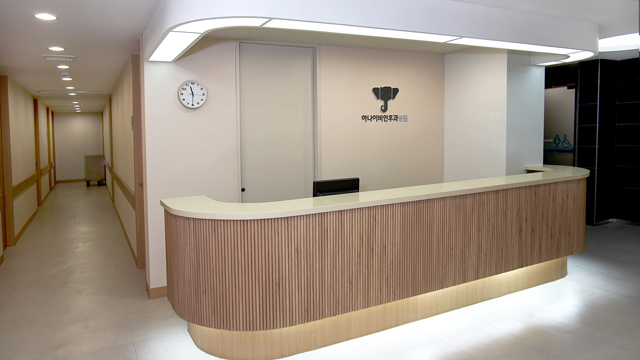
HANA ENT Hospital is Korea's first and Seoul's only ENT specialist hospital officially designated by the Ministry of Health and Welfare — independently verified standards renewed consecutively since 1995. Facial palsy assessment is conducted by ear specialists with dedicated temporal bone expertise — Dr. Chang Sun O's former role as Chief of Otolaryngology at Seoul National University Hospital and Dr. Jang JeongHun's temporal bone anatomy training at the same institution provide the specialist depth that accurate facial nerve diagnosis and management demands.
The hospital's one-stop system enables same-day clinical assessment, electrophysiological testing, and treatment initiation — critical for a time-sensitive condition where delay directly affects recovery. With integrated Ear Disease, Head and Neck, and Neurology centers within the same institution, HANA ENT Hospital provides a comprehensive facial palsy assessment environment matching the depth of a major academic medical center.
Key reasons to choose HANA ENT Hospital for facial palsy:
- Urgent same-day assessment and treatment initiation — critical for Bell's palsy requiring corticosteroids within 72 hours
- Temporal bone surgical expertise — facial nerve assessment grounded in dedicated training at Seoul National University Hospital
- Integrated ear and facial nerve management — otitis media-related palsy managed within the same specialist ear system
- Seoul's only Ministry-designated ENT specialist hospital — accredited specialist care, renewed consecutively since 1995
Patient Experiences: Facial Palsy Treatment at HANA ENT Hospital
Bell's Palsy Patient, 40s
A patient in their mid-40s woke to find the right side of their face drooping — unable to close the right eye or smile symmetrically. Attending HANA ENT Hospital the same day, House-Brackmann grade IV palsy was confirmed. High-dose corticosteroids and antivirals were initiated within 24 hours of onset. Serial follow-up over three months documented progressive recovery — near-complete resolution confirmed at the three-month assessment.
Ramsay Hunt Syndrome Patient, 50s
A patient in their early 50s presented with facial weakness alongside severe ear pain and visible ear canal blistering. Ramsay Hunt syndrome was diagnosed clinically. Combined corticosteroid and antiviral treatment was initiated urgently the same day; audiological assessment confirmed associated hearing changes. Progressive facial recovery was documented over subsequent months with ongoing rehabilitation support.
Facial Weakness Requires Same-Day Specialist Assessment — Do Not Wait
Sudden facial weakness is a medical urgency. The window for optimal treatment is narrow and delay directly affects recovery. At HANA ENT Hospital — The First ENT Specialty Hospital in Korea, The Only ENT Specialty Hospital in Seoul — our ear specialist team provides urgent facial palsy assessment and same-day treatment initiation.
Do not wait for a scheduled appointment if facial weakness has developed acutely. Contact HANA ENT Hospital today.
[Seek Urgent Facial Palsy Assessment at HANA ENT Hospital]
For urgent appointment scheduling and international patient inquiries, contact our patient services desk directly.
Other Services
Explore additional treatments offered by our specialists.

Voice Disorders
The human voice is produced by the precise vibration of the vocal cords — two small but remarkably complex structures housed within the larynx.
Learn More

Respiratory Conditions
Respiratory conditions encompass a broad range of diseases affecting the lungs, bronchi, and airways.
Learn More
Cognitive Decline & Early Dementia
Cognitive decline refers to measurable reduction in memory, attention, language, executive function, or visuospatial ability.
Learn More