Korea's First ENT Specialty Hospital — Ministry-Designated Excellence in Seoul
4.9 Patient Satisfaction
en-US

Medical Guide
5 Things That Are Most Harmful to Rhinitis, According to a Doctor
Schedule a ConsultationRhinitis is one of the most common chronic nasal conditions and is often referred to as a “lifestyle-related disease.”
This is because rhinitis is strongly influenced by environmental conditions and daily habits. Therefore, avoiding environments and habits that aggravate rhinitis is just as important as treatment itself.
The five things most harmful to rhinitis are dry air, significant temperature changes, dust, cigarette smoke, and stress.
Learn how these factors affect rhinitis with insights from Dr. Jeong Do-gwang, Director of the Nose Disease Center at HANA ENT Hospital.
Why Is Rhinitis Called a Lifestyle-Related Disease?
Rhinitis is an inflammatory condition that affects the nasal cavity.
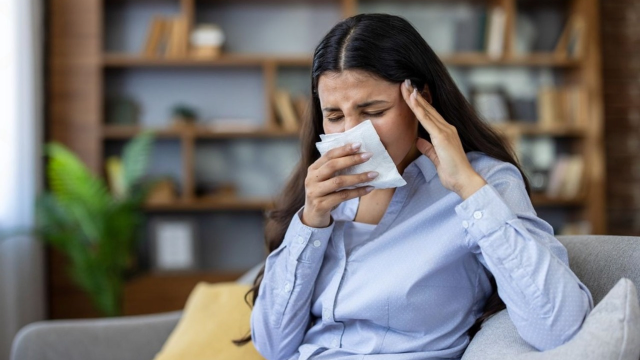
Common symptoms include frequent sneezing, a runny nose with watery discharge, and nasal congestion caused by swelling of the nasal mucosa. People with allergic rhinitis may also experience itching around the eyes, nose, and mouth.
Rhinitis can have various causes, including allergies and non-specific irritants such as changes in temperature and humidity, dust, cigarette smoke, and stress.
In addition to these triggers, daily living environments and habits play an important role in the development of rhinitis symptoms.
Even after rhinitis has been successfully treated with medication or surgery, symptoms may return if a person is exposed to aggravating environmental conditions or repeatedly engages in unhealthy habits.
Conversely, managing the living environment and daily habits can significantly help reduce symptoms and prevent rhinitis flare-ups.
The 5 Things Most Harmful to Rhinitis
1. Dry Air
The nasal mucosa of a healthy nose continuously produces a certain amount of mucus. This helps adjust the temperature and humidity of inhaled air before it enters the respiratory tract.
However, dry air places additional strain on the nasal mucosa, making it more sensitive.
Under these conditions, rhinitis symptoms can worsen or recur more easily.
The most comfortable humidity level for the nose is 40–60%. If you have allergic rhinitis triggered by house dust mites, it is best to keep indoor humidity below 50%.
To keep the nasal mucosa moist, drink approximately 1.5–2 liters of water daily and consider wearing a mask.
2. Significant Temperature Changes
Large temperature differences between indoors and outdoors, as well as substantial temperature fluctuations throughout the day, can affect rhinitis.
What matters is not simply how low the temperature is, but how significant the temperature difference is.
To reduce sudden exposure to cold air, wear a mask when going outside during seasonal transitions or winter. Wearing several thin layers of clothing can also help minimize changes in body temperature.
In addition, gentle stretching after waking up in the morning can help raise body temperature gradually.
3. Dust, Fine Particulate Matter, Exhaust Fumes, and Other Air Pollutants
Fine particulate matter, exhaust fumes, and other pollutants are common irritants that come into direct contact with the nasal mucosa.
These substances can increase inflammation inside the nose and weaken the mucosal barrier, triggering rhinitis symptoms.
Ventilate your home twice a day by opening windows on opposite sides to allow cross-ventilation and keep indoor air clean. Be sure to ventilate after cooking, especially when grilling or stir-frying food.
4. Cigarette Smoke
Cigarettes contain approximately 4,000 chemicals, including 69 carcinogens. Smoking is therefore comparable to directly exposing the inside of the nose to toxic gases.
The same concern applies to e-cigarettes.
Both direct smoking and secondhand smoke exposure are harmful.
Secondhand smoke contains smoke that has not passed through a cigarette filter, and it can contain higher levels of certain toxic substances than the smoke inhaled by the smoker.
If you have rhinitis, quitting smoking is recommended. You should also avoid exposure to secondhand smoke.
5. Stress
Stress can also affect inflammatory responses and worsen nasal symptoms.
In particular, stress is known to promote the release of inflammatory mediators in people with allergic rhinitis.
Stress can also disrupt the balance between the sympathetic and parasympathetic nervous systems, affecting autonomic nervous system function.
This may influence blood flow and mucus secretion in the nasal mucosa, potentially aggravating rhinitis symptoms.
The Most Recommended Habit for Rhinitis: Nasal Irrigation
Nasal irrigation involves rinsing the nasal cavity with saline solution. It is one of the most effective ways to help relieve rhinitis symptoms and may also help prevent other nasal conditions.
Nasal irrigation washes away harmful substances that have accumulated inside the nose and directly moisturizes the nasal mucosa, helping the nose feel more comfortable.
When rhinitis symptoms are present, perform nasal irrigation twice a day. Even when symptoms are absent, continuing once daily may be beneficial.
If you are prone to rhinitis, consider making nasal irrigation a lifelong habit, just as you brush your teeth every day.
More Articles
Continue reading our clinical guides.

Ear and Hearing Problems: When to See an ENT Specialist
Ear and hearing problems can affect daily life. Learn when to see an ENT specialist for symptoms, diagnosis, and treatment options. Book a visit today.
Learn More
When Should You Not Delay a Child's Tonsillectomy? Key Signs Every Parent Should Know
Wondering if your child needs a tonsillectomy? Learn key signs snoring, sleep apnea, tonsillitis, plus safe surgery age, weight rules & PITA details.
Learn More
Sinusitis That Won't Go Away and Smells Bad: Causes, Diagnosis and Treatment
Foul smelling sinusitis explained severe infection, tooth-related causes, or fungal sinusitis. Learn the symptoms, diagnosis, and treatments.
Learn More